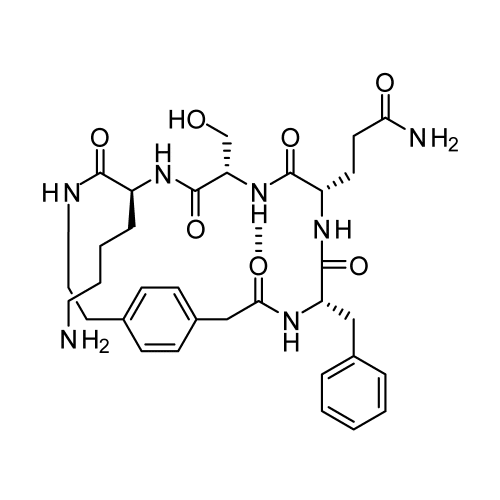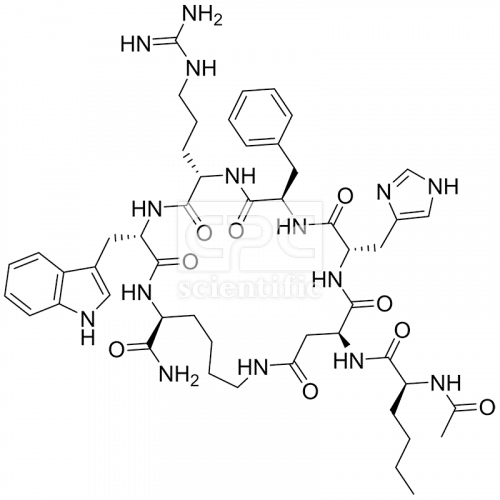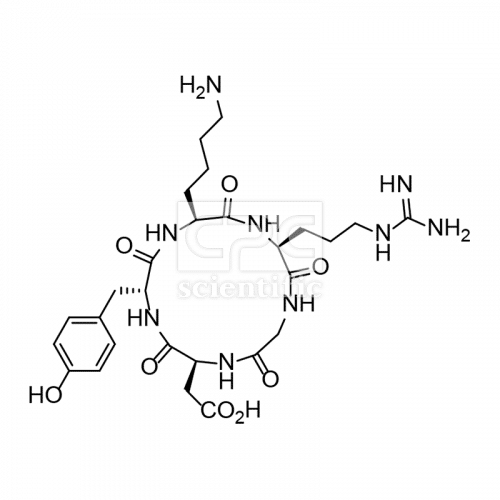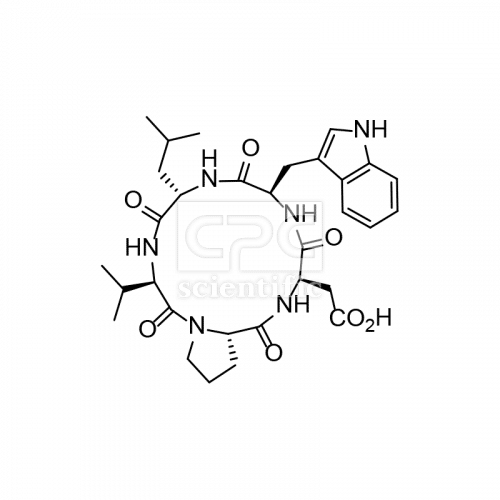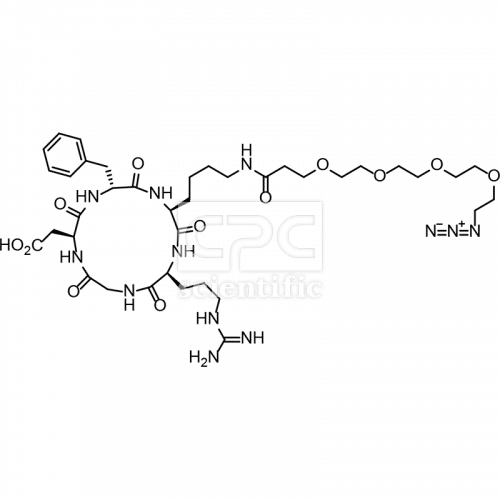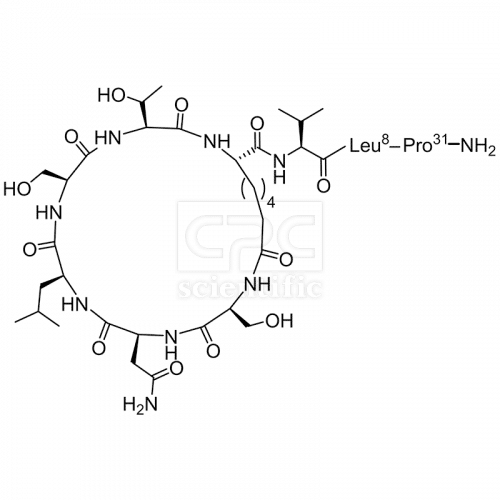
Protein-protein and protein-peptide interactions play critical roles in all types of cellular processing. Peptides are natural partners of proteins and as ligands, bind to proteins with high affinity due to their capacity to adapt to the often flexible protein surface. While peptides offer biocompatibility due to their similarity to proteins, as drug candidates they suffer drawbacks that include low plasma bioavailability, instability from proteolytic enzymes, and poor passive membrane permeability. Some success has been achieved with linear peptides, particularly with peptides that maintain α-helical secondary structures. These motifs can be introduced to stabilized α-helical motifs by common ‘peptide-stapling’ approaches, but stapled peptides can suffer from low bioactivity and poor solubility. Another strategy to improve peptide stablity has been to modify peptides by macrocyclization.
Macrocyclization Chemistry
CPC Scientific specializes in the synthesis of complex peptide macrocycles and has the expertise to carry out a variety of ring-closure methodologies. We routinely synthesize peptide macrocycles with the following bond types:
- Multiple, site-selective disulfide bridges
(Cys-Cys, Pen-Cys, and Pen-Pen) - Amide bond cyclizations (lactam)
- Head-to-tail, head-to-sidechain, sidechain-to-tail, sidechain-to-sidechain
- Backbone-to-backbone, backbone-to-sidechain, backbone-to-head, and backbone-to-tail
- Thioether bridges
- hydrocarbon-stapled peptides
- Copper-catalyzed azide-alkyne cycloaddition (Click Chemistry)
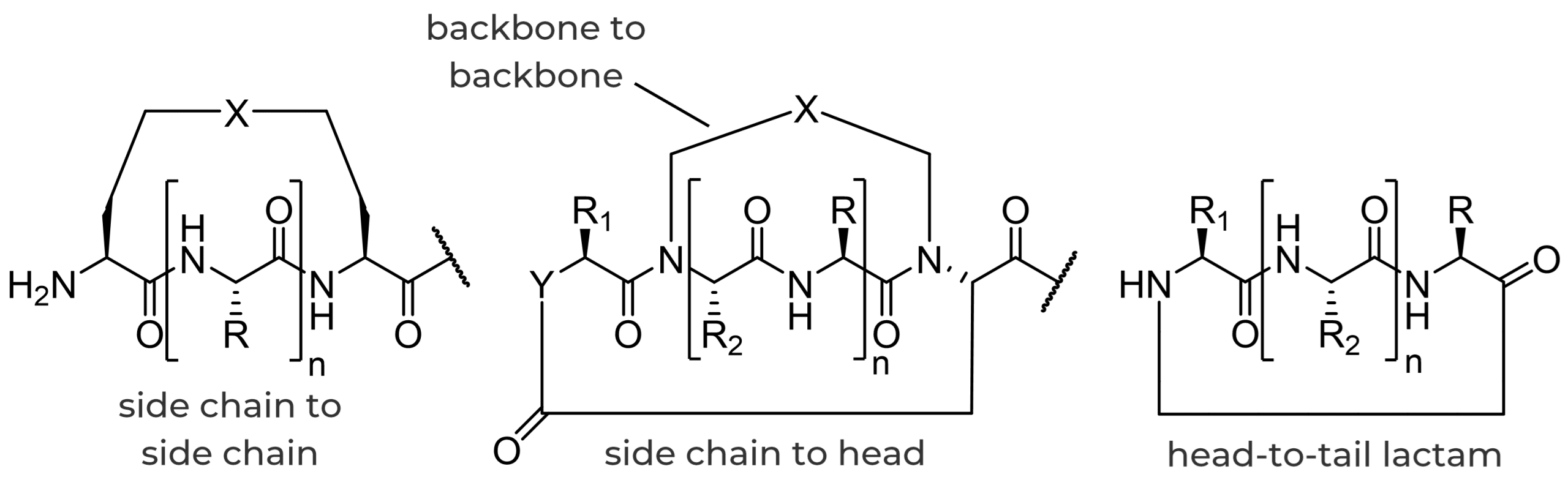
X = S-S (disulfide bridge)
X = NH-CO (lactam bridge, amide bond)
X = S (thioether bridge, sulfide bridge)
X = O-CO (lactone bridge, depsipeptide)
X = CH=CH (alkene bridge, hydrocarbon stapled)
Y = NH (lactam bridge, amide bond)
Y = O (depsipeptide)
Macrocycle Examples
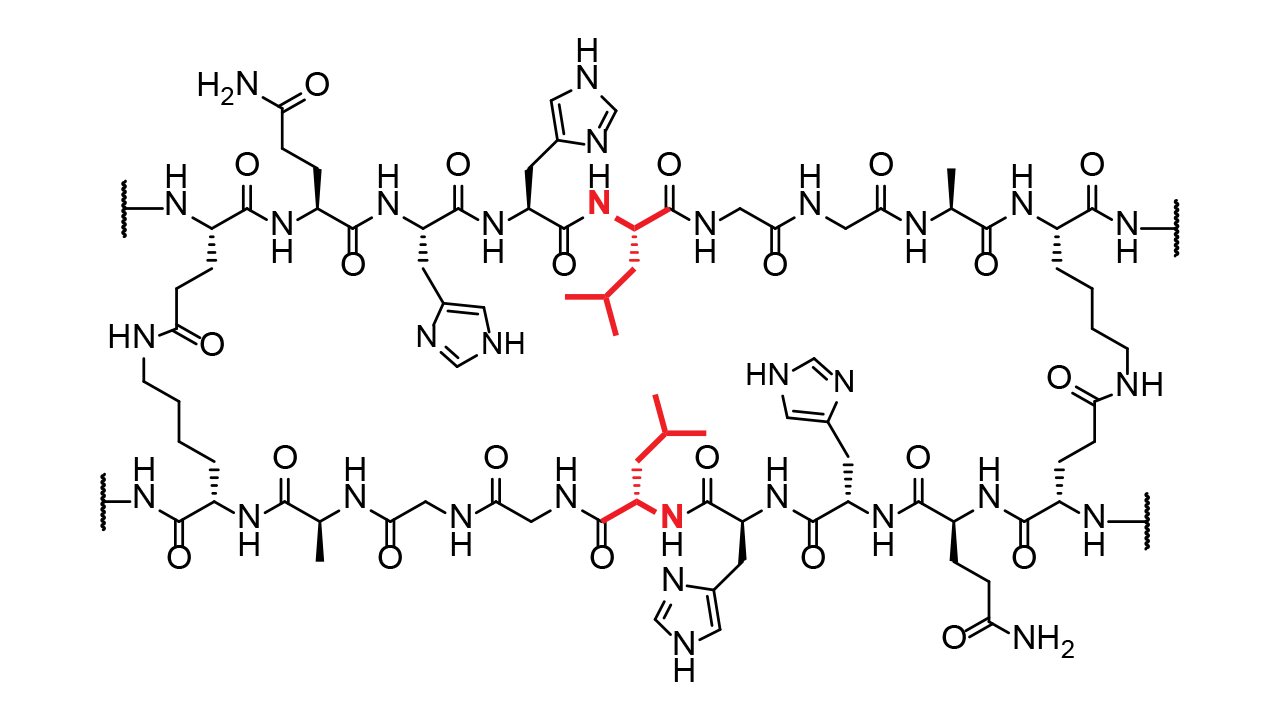
Wang, W., Walker, N.D., Zhu, L.J., Wu, W., Ge, L., Gutstein, D.E., Yates, N.A., Hendrickson, R.C., Ogletree, M.L., Cleary, M. and Opiteck. Analytical Chemistry 84.15 (2012): 6891-6898.
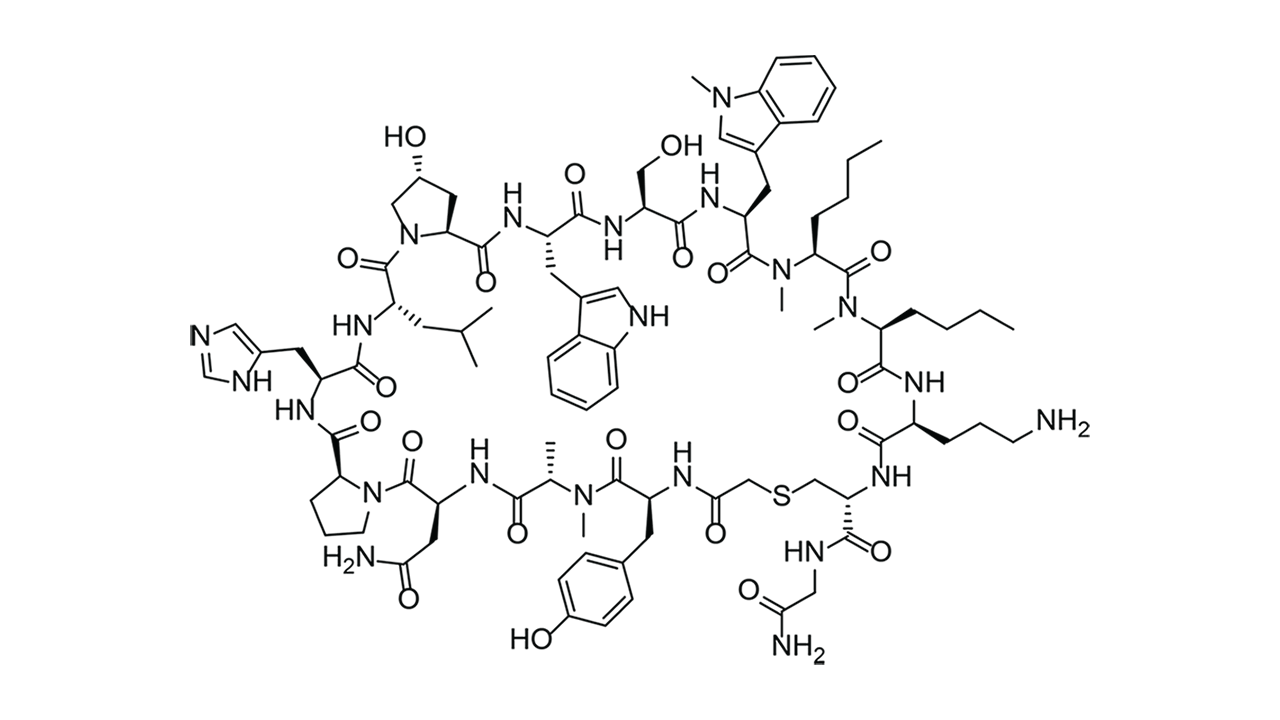
Chatterjee, Samit, et al. Biochemical and Biophysical Research Communications 483.1 (2017): 258-263.
![Locmi-AKH-I, cycloAKH (cyclo[LNFTPNWG]](https://test.cpcscientific.com/wp-content/uploads/2022/05/cyclo-LNFTPNWG-v2-1500sm.png)
Mogford, Jon E., George E. Davis, Steven H. Platts, and Gerald A. Meininger. Circulation research 79, no. 4 (1996): 821-826.

Axiak-Bechtel, Sandra M., Stacey B. Leach, David G. Scholten, Jessica R. Newton-Northup, Brendan J. Johnson, H. E. Durham, Kenneth A. Gruber, and Michael F. Callahan. Pharmacology Research & Perspectives 9, no. 3 (2021): e00777.
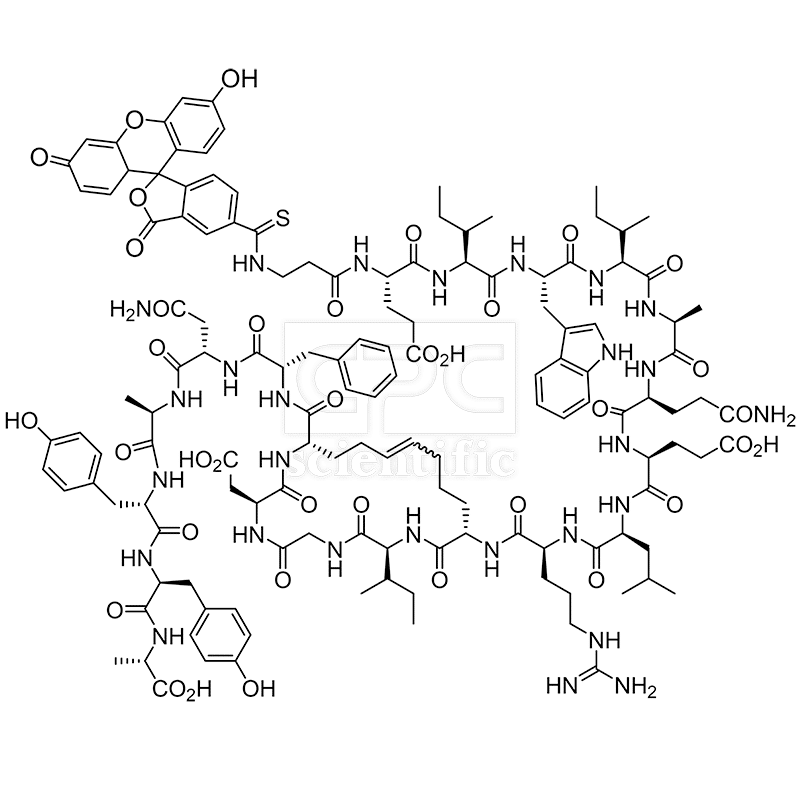
Lopez, Andrea, Denis E. Reyna, Nadege Gitego, Felix Kopp, Hua Zhou, Miguel A. Miranda-Roman, Lars Ulrik Nordstrøm et al. Nature Communications 13, no. 1 (2022): 1-18.
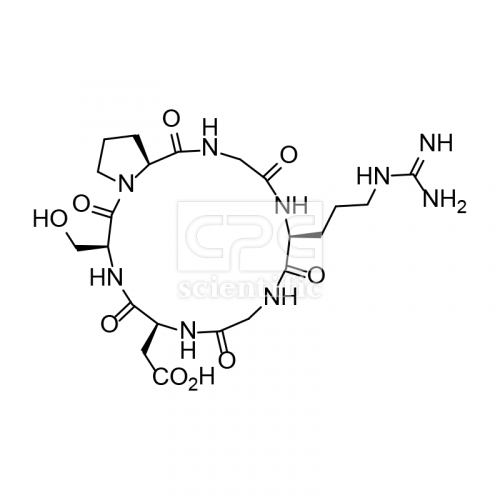
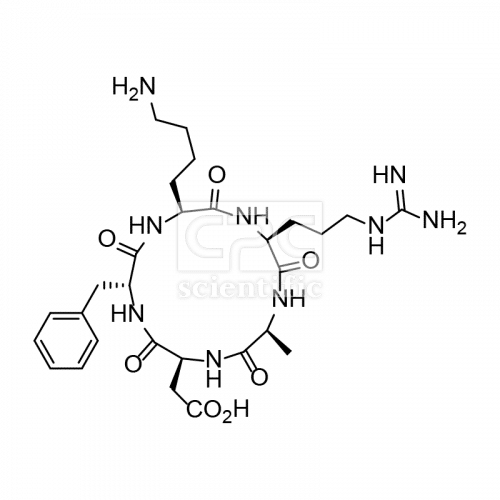
Cyclized RGD Motif
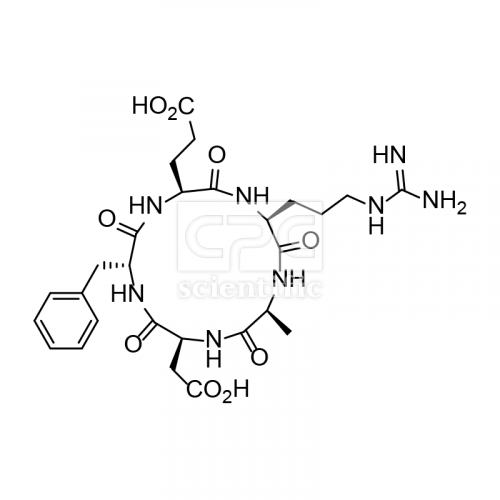
As the investigation into drug delivery platforms continues, more emphasis is being directed towards localization and cellular uptake. Cell-targeting peptides (CTPs) have emerged as effective tools for targeting cancer cells that overexpress certain receptor proteins that recognize and internalize CTPs by receptor-mediated endocytosis. Angiogenesis is a process that is dependent on vascular endothelial cell migration and infiltration in tumor metastasis and is regulated by cell adhesion receptors. Integrins are an important class of heterodimeric transmembrane proteins[1] that play key roles in cell signaling, apoptosis, and cell adhesion. Among members of the integrin family, αvβ3 integrins are the most well studied for their importance in tumor angiogenesis and metastasis. Because αvβ3 integrins are overexpressed in various tumor cell types (e.g., breast, prostate, and ovarian cancers) and absent in healthy tissue types, this receptor is an attractive target for cancer therapeutics (e.g., radiotracers, cancer drugs). Inhibition of αvβ3 integrin receptors has been associated with tumor prevention and reduced tumor growth by antagonizing angiogenesis. Peptide-based antagonists that bind to αvβ3 integrins have been developed and synthesized. One of the most potent and selective of these peptide antagonists, cyclo[Arg-Gly-Asp-D-Phe-Val] (c[RGDfV]), was developed by Kessler and co-workers.[2]
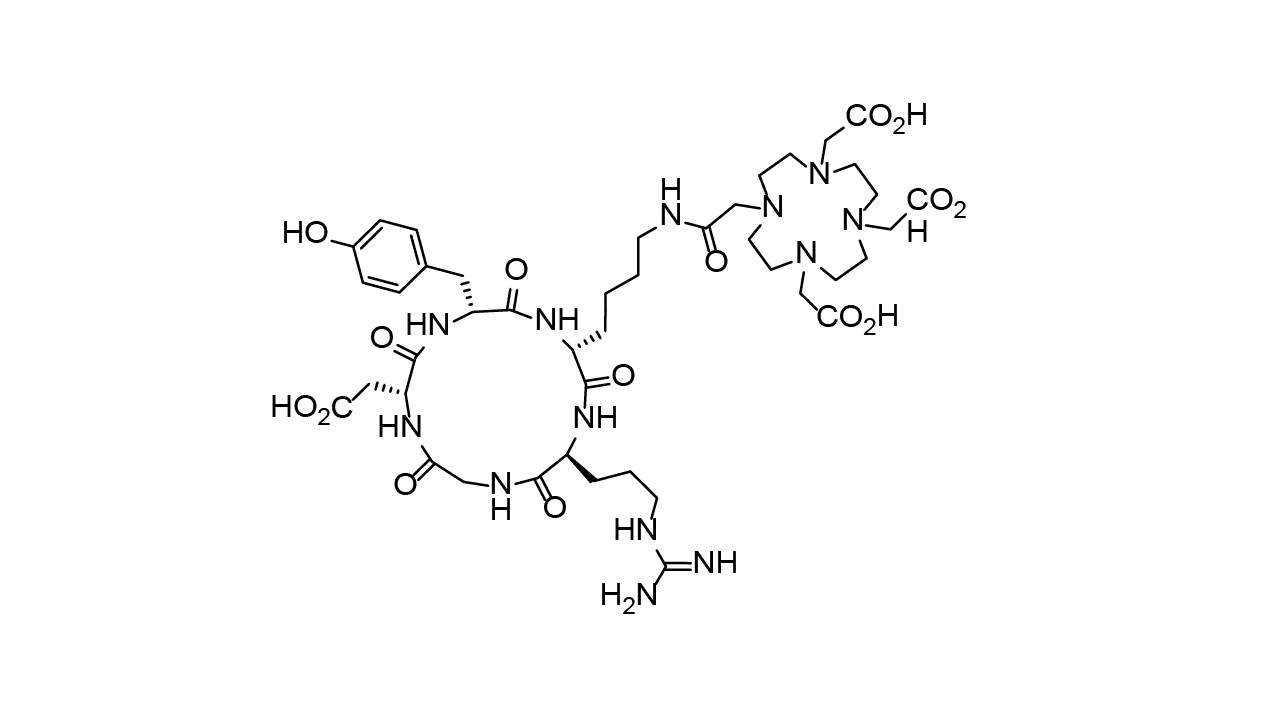
CPC Scientific has synthesized a variety of RGD motif peptides designed for multivalent molecular architectures and as conjugates to chelating moieties (e.g., DOTA, NOTA, etc.). Cyclic RGD (cRGD) peptide-based nanomedicines have been developed for clinical use. Duel targeting liposomal systems that consist of cRGD and transferrin (TF) combined with a liposome (cRGD/ TF-LP) have established a brain glioma cascade delivery system. Crucial to this system was the discovery that cRGD peptide combined with TF enables delivery across the blood-brain barrier (BBB), allowing RGD-targeting in the brain. When combined with paclitaxel, cRGD/TF-LP forms a new system that can precisely target gliomas in the brain, a difficult area for chemotherapy medication alone to reach.[3]
RGD Macrocycle Chelate Examples
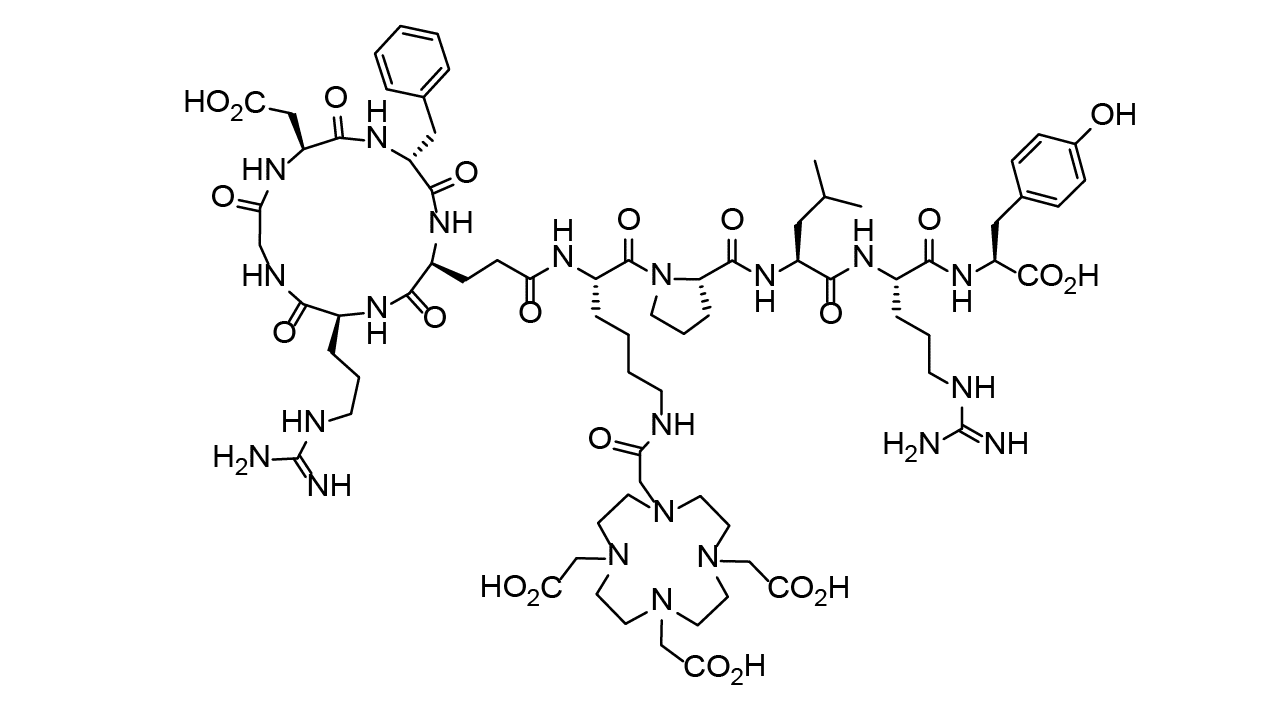
Mebrahtu, Efrem, et al. Nuclear Medicine and Biology 40.2 (2013): 190-196.
cRGD Nanomedicine
Another nanoparticle (NP)-based cRGD targeting system is mesoporous silica nanoparticles (MSNs), a platform that has predominantly been investigated for controlled drug release. MSN-cRGD loaded with camptothecin (CPT) have been used successfuly to target and cause apoptosis in metastatic breast cancer cell lines, MDA-MB 435. By combining the MSN-cRGD platform with a fluorescent tag, it was demonstrated that increase localization and cellular uptake was ocurring in this cell line.[4]
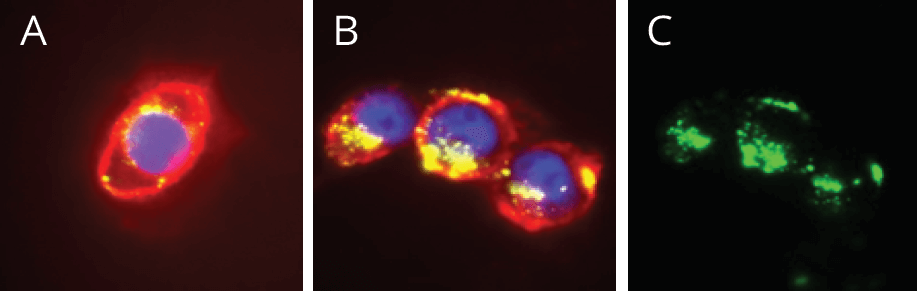
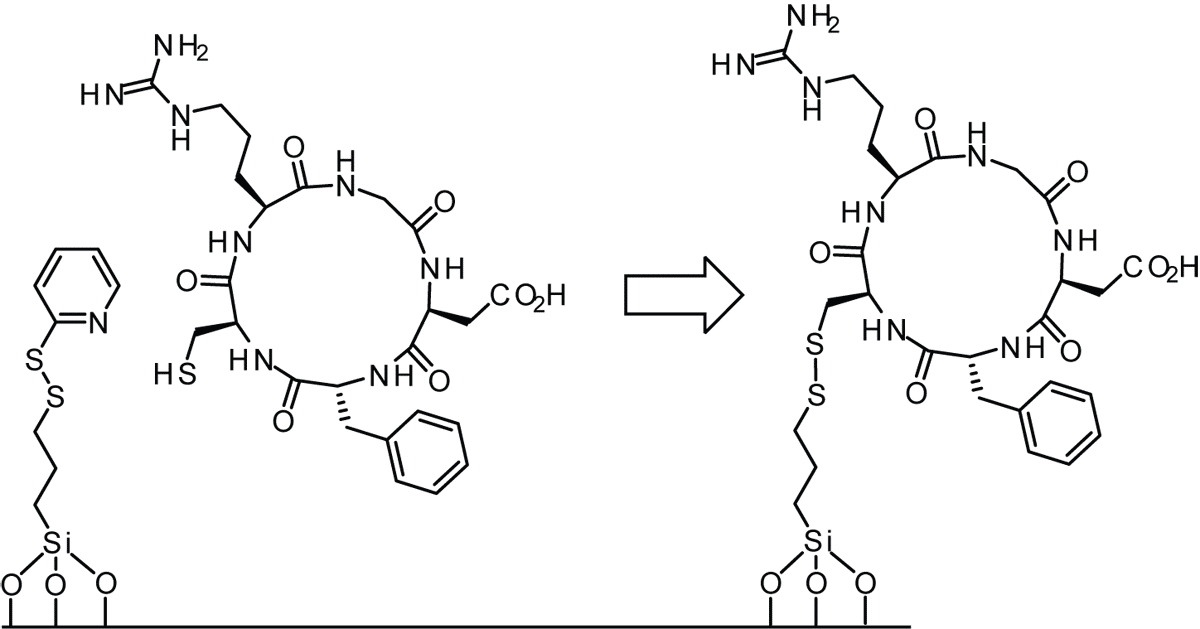
Figure. MDA-MB 435 cell line with 20ug/mL (left) NP (control), (middle) cRGD-NP overlay images showing cellular membrane (red) and cell nucleus (blue), and (right) cRGD-NP dye (green).
Figure. Nanoparticle (NP)-based cRGD targeting system is mesoporous silica nanoparticles (MSNs).[3]
References
- Van der Flier, Arjan, and Arnoud Sonnenberg. “Function and interactions of integrins.” Cell and tissue research 305, no. 3 (2001): 285-298.
- Wermuth, J., S. L. Goodman, A. Jonczyk, and H. Kessler. “Stereoisomerism and biological activity of the selective and superactive αvβ3 integrin inhibitor cyclo (-RGDfV-) and its retro-inverso peptide.” Journal of the American Chemical Society 119, no. 6 (1997): 1328-1335.
- Ferris, Daniel P., Jie Lu, Chris Gothard, Rolando Yanes, Courtney R. Thomas, John‐Carl Olsen, J. Fraser Stoddart, Fuyuhiko Tamanoi, and Jeffrey I. Zink. “Synthesis of biomolecule‐modified mesoporous silica nanoparticles for targeted hydrophobic drug delivery to cancer cells.” Small 7, no. 13 (2011): 1816-1826.
Peptide Macrocycle Citations and Publications
The synthesis of the linear RP-182 analog, bicyclo[6.1.0]non-4-yn-9-ylmethyloxycarbonyl-PEG2-Lys-Phe-Arg-Lys-Ala-Phe-Lys-Arg-Phe-Phe-Lys(azido-PEG)-NH2, was achieved using standard solid-phase peptide synthesis (SPPS) protocols. After cleaving the linear peptide from the resin, macrocyclization was performed in the liquid phase through a strain-promoted click reaction. BCN introduces extra ring strain due to its fused cyclopropane structure. The combined effect of ring strain, the selection of BCN, and copper catalysis significantly increases the macrocyclization efficiency of longer peptides like RP-182.
Stapled peptides have emerged as a powerful tool in drug discovery and therapeutic development due to their ability to overcome the limitations associated with traditional peptide drugs, such as poor stability and low cell permeability. By introducing staples into the peptide backbone, researchers can stabilize peptide conformations and enhance their interactions with target proteins, resulting in improved efficacy and specificity. This approach not only addresses the challenges of peptide drug design but also opens new avenues for targeting challenging biomolecular interactions that are difficult to modulate with small molecules or antibodies. The development of stapled peptides has led to significant advancements in targeting protein-protein interactions, addressing previously intractable diseases, and enhancing the precision of therapeutic interventions.
Singh, S.S., Calvo, R., Kumari, A., Sable, R.V., Fang, Y., Tao, D., Hu, X., Castle, S.G., Nahar, S., Li, D. and Major, E. Molecular Cancer Therapeutics (2024).
- CPC Scientific Inc., 160E Tasman Dr., Suite 200, San Jose, CA 95134
[..] assembling the peptide on the Rink Amide resin and attaching the PEG azide moiety to the N-terminal Lys, the Dde group was removed as previously shown and coupled to the Fmoc-PEG2-acid. Removal of the Fmoc followed by simultaneously click/coupling to bicyclo[6.1.0]non-4-yn-9-ylmethyl (2,5-dioxopyrrolidin-1-yl) carbonate gave 1c which was deprotected and cleaved from the resin to give 1c.
Quigley, Neil Gerard, Katja Steiger, Stefanie Felicitas Färber, Frauke Richter, Wilko Weichert, and Johannes Notni. Molecular Pharmaceutics (2024), 21(4), 1827-1837.
… by positron emission tomography (PET) imaging and ex vivo … clinical PD-L1 PET imaging because it detects even very low … The peptide WL12 was purchased from CPC Scientific (San …
Lopez, Andrea, Denis E. Reyna, Nadege Gitego, Felix Kopp, Hua Zhou, Miguel A. Miranda-Roman, Lars Ulrik Nordstrøm et al. Nature Communications 13, no. 1 (2022): 1-18.
"Hydrocarbon-stapled peptide corresponding to the BH3 domain of BIM, FITC-BIM SAHBA2: FITC-βAla-EIWIAQELRS5IGDS5F’NAYYA-CONH2, where S5 represents the non-natural amino acid inserted for olefin metathesis, was synthesized, purified at >95% purity by CPC Scientific Inc."
Axiak-Bechtel, Sandra M., Stacey B. Leach, David G. Scholten, Jessica R. Newton-Northup, Brendan J. Johnson, H. E. Durham, Kenneth A. Gruber, and Michael F. Callahan. Pharmacology Research & Perspectives 9, no. 3 (2021): e00777.
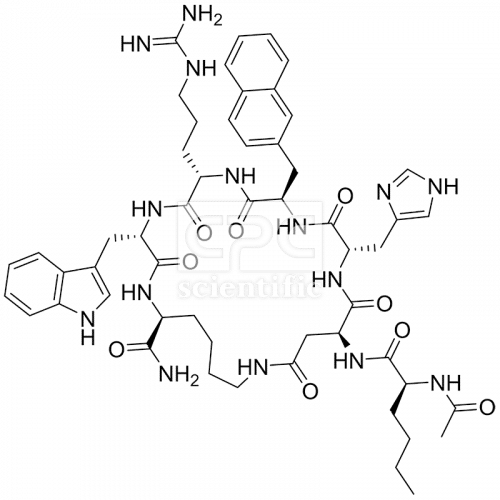
TCMCB07 [a cyclic substituted melanocortin antagonist with the structure Ac- Nle- cyclo[Asp- Pro- DNal(2’)-Arg- Trp- Lys]- DVal- DPro- NH2] was manufactured by CPC Scientific Inc. under cGMP conditions. Active pharmaceutical ingredient was dissolved in milliQ water at 10 mg ml−1, sterile filtered [..]”
Ramasubramanian, Anusuya, Riya Muckom, Caroline Sugnaux, Christina Fuentes, Barbara L. Ekerdt, Douglas S. Clark, Kevin E. Healy, and David V. Schaffer. ACS Biomaterials Science & Engineering 7, no. 4 (2021): 1344-1360.
A cyclic 11-MUA adhesion peptide (CPC Scientific Inc., Sunnyvale, CA) was also synthesized via standard Fmoc chemistry and cyclized via a lactam bond between Asp(1) and Lys(9) to form (11-MUA)-GG-PEG 2 -cyclo(DMGDGRPRK)-NH 2 or 11-MUA-cyclic (7C-1).
GhavamiNejad, A.; Lu, B.; Samarikhalaj, M.; Liu, J. F.; Mirzaie, S.; Pereira, S.; Zhou, L.; Giacca, A.; Wu, X. Y., Drug Delivery and Translational Research 2021, 1-13.
"PRL-2903 (PRL) was synthesized and purchased from CPC Scientific Inc. (San Jose, CA, USA)."
DePalma, S. J.; Davidson, C. D.; Stis, A. E.; Helms, A. S.; Baker, B. M., Biomaterials Science, 2021, 9 (1), 93-107.
.. matrices were functionalized with cell adhesive peptides.. Gly-Phe-Hyp-Gly-Glu-Arg (GFOGER; CPC Scientific) via Michael-Type addition to available vinyl sulfone groups."
Abdulganiyyu, I. A.; Kaczmarek, K.; Zabrocki, J.; Nachman, R. J.; Marchal, E.; Schellens, S.; Verlinden, H.; Broeck, J. V.; Marco, H.; Jackson, G. E. Insect Biochemistry and Molecular Biology 2020, 103362.
A head-to-tail cyclic, octapeptide analog of Locmi-AKH-I, cycloAKH (cyclo[LNFTPNWG]) was synthesized to severely restrict the conformational freedom of the AKH structure.
Baba, Osamu, Andrew Elvington, Martyna Szpakowska, Deborah Sultan, Gyu Seong Heo, Xiaohui Zhang, Hannah Luehmann et al. bioRxiv (2020).
The FC131 peptide (cyclo[2-Nal-Gly-d-Tyr-NMe-d-Orn-Arg]) was synthesized by CPC Scientific (Sunnyvale, CA).
Gibbs, Ebrima, Judith M. Silverman, Beibei Zhao, Xubiao Peng, Jing Wang, Cheryl L. Wellington, Ian R. Mackenzie, Steven S. Plotkin, Johanne M. Kaplan, and Neil R. Cashman. Scientific Reports 9, no. 1 (2019): 1-14.
The conformational epitope was synthesized as a cyclic peptide with additional N-terminal residues CG and a C-terminal G to recapitulate the predicted structure of HHQK on AβO. Peptide synthesis was performed by CPC Scientific Inc. (Sunnyvale CA, USA) [..] Cyclization was performed via a head-to-tail (C-G) amide bond and c[CGHHQKG] was then conjugated to either keyhole limpet hemocyanin (KLH) or bovine serum albumin (BSA) via maleimide-based coupling.
Lesniak, W. G.; Mease, R. C.; Chatterjee, S.; Kumar, D.; Lisok, A.; Wharram, B.; Kalagadda, V. R.; Emens, L. A.; Pomper, M. G.; Nimmagadda, S., Molecular Imaging 2019, 18, 1536012119852189.
The PD-L1-binding peptide, WL12 (sequence shown in Figure 1A), was custom synthesized by CPC Scientific (Sunnyvale, California) with >95% purity.
Chatterjee, Samit, et al. Biochemical and Biophysical Research Communications 483.1 (2017): 258-263.
PD-L1 binding peptide, WL12, was custom synthesized by CPC Scientific (Sunnyvale, CA) with >95% purity.
Lo, Justin H., et al. Bioconjugate Chemistry (2016).
"Myristoyl-transportan−LyP-1 tandem peptide was synthesized by CPC Scientific (sequence: myr-GGWTLNSAGYLLGKINLKALAALAKKIL-GGGG-CGNKRTRGC, Cys−Cys bridge). FAM-labeled LyP-1 bearing an azide (azidoacetyl-GGG-cyclo-(EGNKRTRGK)), FAM-labeled LyP-1 bearing a cysteine (C-K(5FAM)-C6-cyclo-(CGNKRTRGC)) and transportan bearing a C-terminal cysteine (myristic acid-GGWTLNSAGYLLGKINLKALAALAKKILC) were synthesized by CPC Scientific, Inc."
Leclair, E., Liggins, R.T., Peckett, A.J., Teich, T., Coy, D.H., Vranic, M. and Riddell, M.C. Diabetologia (2016): 1-8.
"The SSTR2a (PRL-2903) was purchased by CPC Scientific (Sunnyvale, CA, USA) and the dose (10 mg/kg body mass) approximated that given in our prior studies [25–27]. The antagonist was dissolved in saline and given in a 2 ml/kg volume."
Pandya, Darpan N., et al. Theranostics 6.5 (2016): 698.
DOTA-c(RGDyK) was purchased from CPC Scientific, Inc. (Sunnyvale, CA), and its purity and mass were confirmed at Wake Forest using HPLC and electrospray ionization (ESI) mass spectrometry as described below.
Jiang, Zongrun, et al. Radiochimica Acta 104.7 (2016): 499-512.
"[RGD-Glu-(DO3A)-6-Ahx-RM2], [Cyclo-(Arg-Gly-Asp-D-Tyr- Lys)-(DO3A)-Glu-(6-Ahx-D-Phe-Gln-Trp-Ala-Val-Gly-His- Sta-Leu-NH2)], was purchased from CPC Scientific (Sunnyvale, CA, USA)."
Oliveira, E. A., and B. L. Faintuch. Nuclear Medicine and Biology 42.2 (2015): 123-130.
"...4 -c(GX1) 774.9 μM or HYNIC-E-[c(RGDfk)-c(GX1)] 569.5 μM (μg/mL) (CPC Scientific Inc., CA ... 5 /well) were seeded into well culture plates, and it was added the radiotracers 99m Tc-HYNIC-PEG 4 -c ... For nonspecific binding assays, cold conjugate (1 mmol/L/well) was also ..."
Ng, Quinn KT, et al. Biomaterials 35.25 (2014): 7050-7057.
"Linear and cyclic targeting sequences of the peptides CCVVVT-EG4-GRGDSP-NH2 (97%) (Cap-lRGD) and c[RGDfK(CCVVVT-EG 4 )] (96%) (Cap-cRGD) were purchased from CPC Scientific."
Zekavat, Behrooz, et al. J. Am. for Mass Spectrometry 25.2 (2014): 226-236.
"The synthesized cyclo-(RPKPQQFFGL) peptide and human angiotensin II were purchased from CPC Scientific (CPC Scientific Inc., Sunnyvale, CA, USA)."
Magee, T.V., Brown, M.F., Starr, J.T., Ackley, D.C., Abramite, J.A., Aubrecht, J., Butler, A., Crandon, J.L., Dib-Hajj, F., Flanagan, M.E. and Granskog, K. Journal of Medicinal Chemistry 56, no. 12 (2013): 5079-5093.
- Pfizer Worldwide Research & Development, Pfizer, Inc., Groton, Connecticut 06340, United States
- CPC Scientific, Hangzhou, P.R. China
Lin, Mai, Michael J. Welch, and Suzanne E. Lapi. Molecular Imaging and Biology 15.5 (2013): 606-613.
"DOTA-[Tyr3]octreotide and NO2A-[Tyr3]octreotide were purchased from CPC Scientific (Sunnyvale, CA)."
Mebrahtu, Efrem, et al. Nuclear Medicine and Biology 40.2 (2013): 190-196.
Here, we report the design and characterization of a dually radiolabeled peptide [ 64 Cu]c(RGDfE)K(DOTA)PLGVRY[ 123 I] for targeting cancer cells ... All peptides were purchased from CPC scientific (San Jose, CA.)
Wang, W., Walker, N.D., Zhu, L.J., Wu, W., Ge, L., Gutstein, D.E., Yates, N.A., Hendrickson, R.C., Ogletree, M.L., Cleary, M. and Opiteck. Analytical Chemistry 84.15 (2012): 6891-6898.
- Departments of Molecular Biomarkers, Cardiovascular Diseases, and Clinical Pharmacology, Merck Research Laboratories, Rahway, New Jersey, United States.
"Peptide Stable isotope–labeled internal standard peptide (Q 7 and K 15 reciprocally cross-linked dimer of LTIGEGQQHHL*GGAKQAGDV, where L* represents 13 C 6 , 15 N 1 -labeled leucine) was synthesized and analyzed for purity and amino acid content (CPC Scientific)"
Young, Travis S., et al. Proceedings of the National Academy of Sciences 108.27 (2011): 11052-11056.
"To determine the IC50 values of the selected cyclic peptides, we chemically synthesized the peptides C2 and G12 in both linear and cyclic forms (CPC Scientific)."
Leone, Marilisa, et al. Chemical Biology & Drug Design 77.1 (2011): 12-19.
"Cyclo-DEYDDPfK; Cyclo-DE(pY)LDPfK; Cyclo-DE(FCOOH)LDPfK (FCOOH= phenylalanine with a carboxyl group at the para position) were purchased either from the MCW facility of the Wisconsin Medical College or from CPC Scientific (San José, CA, USA)"