Plates were incubated for 210 min at 25 °C followed by quenching with 25 uL water with 2% formic acid containing 600 nM of the internal standard with the sequence KTEEISEVN[L-U7]-OH (CPC Scientific).
Abstract
As a label-free technology, mass spectrometry (MS) enables assays to be generated that monitor the conversion of substrates with native sequences to products without the requirement for substrate modifications or indirect detection methods. Although traditional liquid chromatography (LC)–MS methods are relatively slow for a high-throughput screening (HTS) paradigm, with cycle times typically ≥60 s per sample, the Agilent RapidFire High-Throughput Mass Spectrometry (HTMS) System, with a cycle time of 5–7 s per sample, enables rapid analysis of compound numbers compatible with HTS. By monitoring changes in mass directly, HTMS assays can be used as a triaging tool by eliminating large numbers of false positives resulting from fluorescent compound interference or from compounds interacting with hydrophobic fluorescent dyes appended to substrates. Herein, HTMS assays were developed for multiple protease programs, including cysteine, serine, and aspartyl proteases, and applied as a confirmatory assay. The confirmation rate for each protease assay averaged <30%, independent of the primary assay technology used (i.e., luminescent, fluorescent, and time-resolved fluorescent technologies). Importantly, >99% of compounds designed to inhibit the enzymes were confirmed by the corresponding HTMS assay. Hence, HTMS is an effective tool for removing detection-based false positives from ultrahigh-throughput screening, resulting in hit lists enriched in true actives for downstream dose response titrations and hit-to-lead efforts.
SOCIAL MEDIA
Connect with us and stay updated by following our social media channels.
Latest Briefings from our Knowledge Center
Press Releases, Industry News, Articles, and Technical Content

CPC Scientific’s Rocklin facility is undergoing a major expansion to establish a 41,000 sq ft Center of Excellence for U.S.-based peptide API manufacturing. Construction is now underway—more updates coming soon.

From Nusinersen to Inclisiran, oligonucleotide APIs are rapidly reshaping modern drug development. Explore the role of oligonucleotide CDMOs in enabling analytical innovation and scalable, compliant manufacturing across the RNA therapeutic frontier.
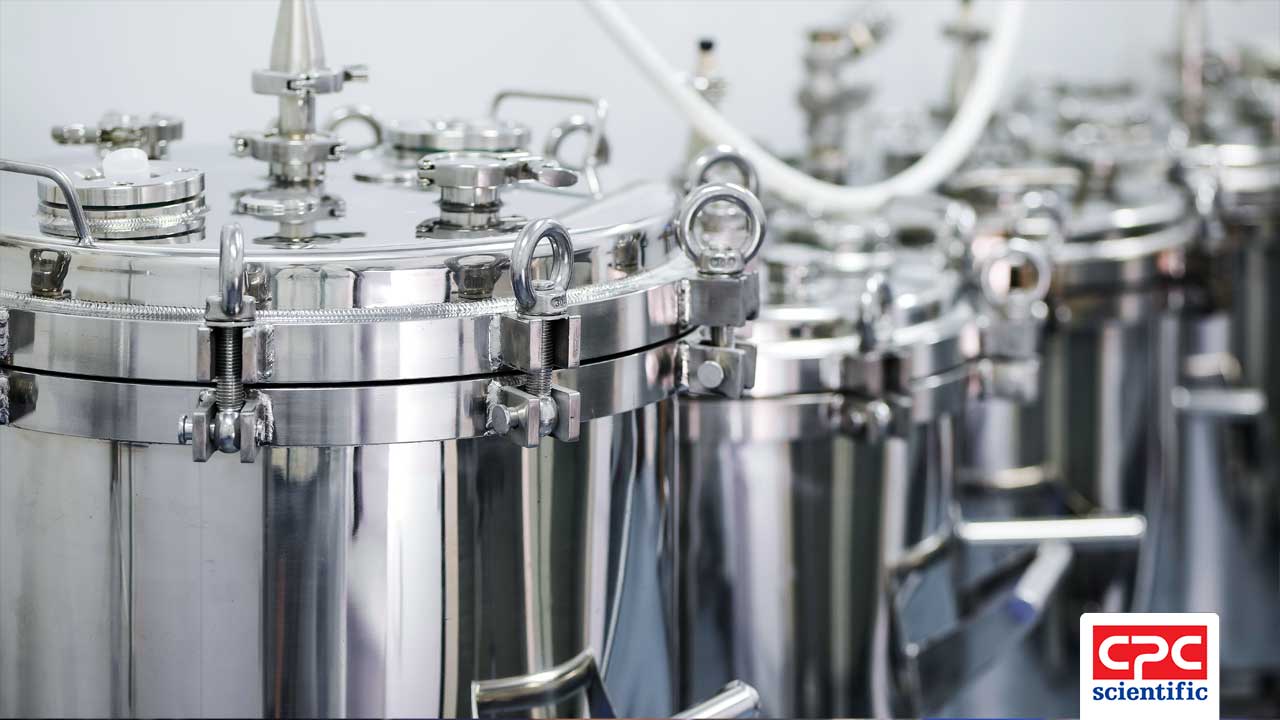
Peptide and oligonucleotide APIs are driving a new generation of pharmaceutical drug development. Learn more about the API manufacturing process and why it matters to partner with a specialized peptide and oligonucleotide CDMO.
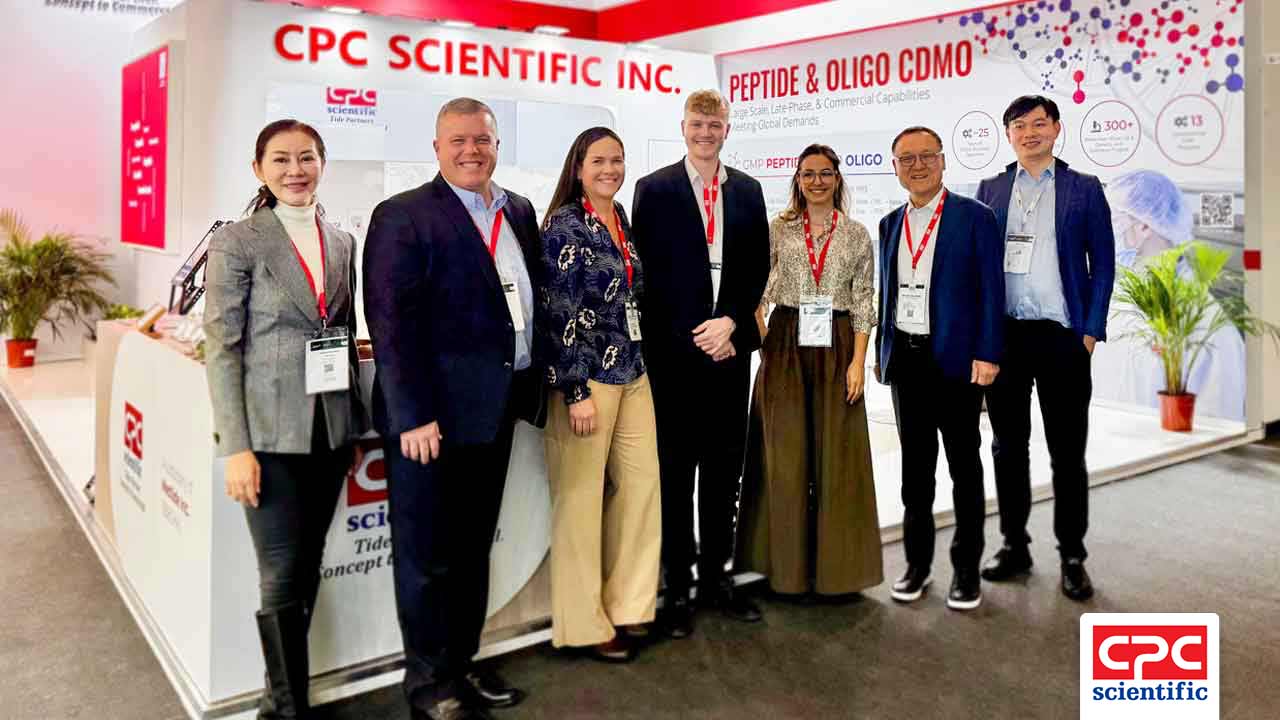
CPC Scientific is thrilled to return to CPHI Frankfurt 2025! Explore a tour of our booth as we recap key moments from Day 1 of CPHI Frankfurt, where we're highlighting our position as a global pioneer in peptide and oligonucleotide CDMO services...
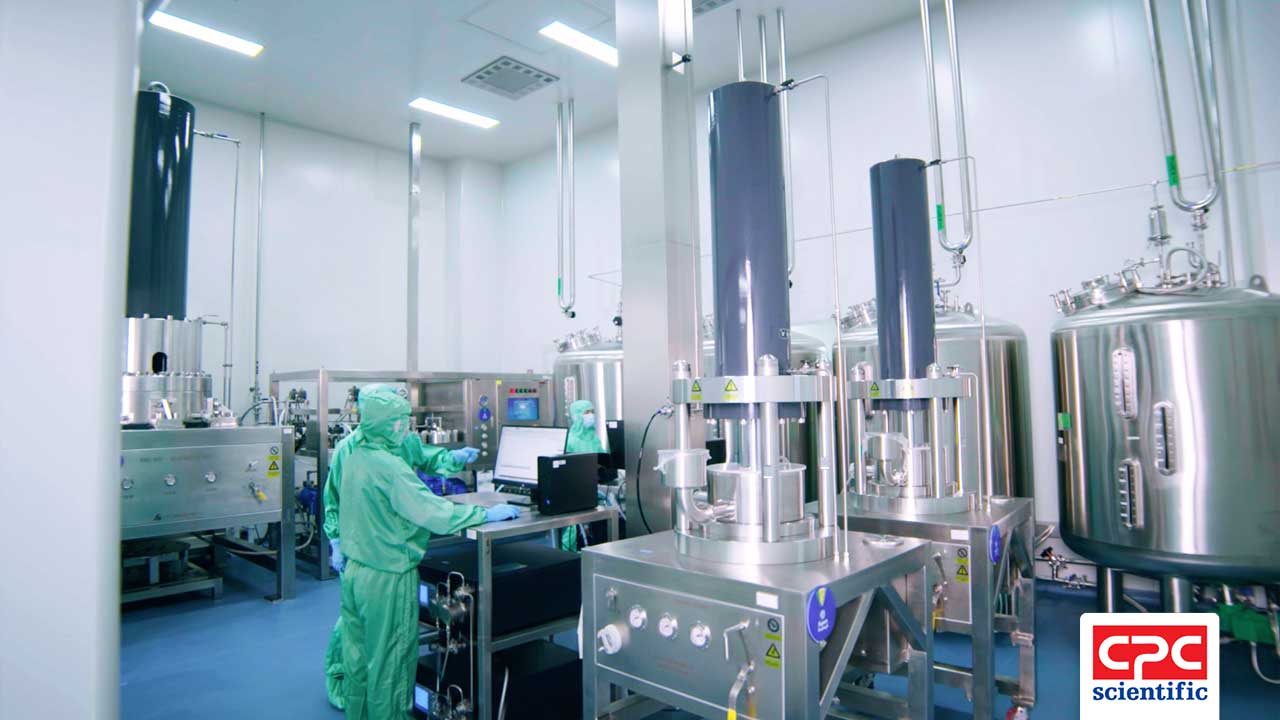
In today’s biotech landscape, quality is essential. For therapeutics based on peptides or oligonucleotides, many of which treat complex or life-threatening conditions, GMP compliance is a foundational element of regulatory approval and patient trust.
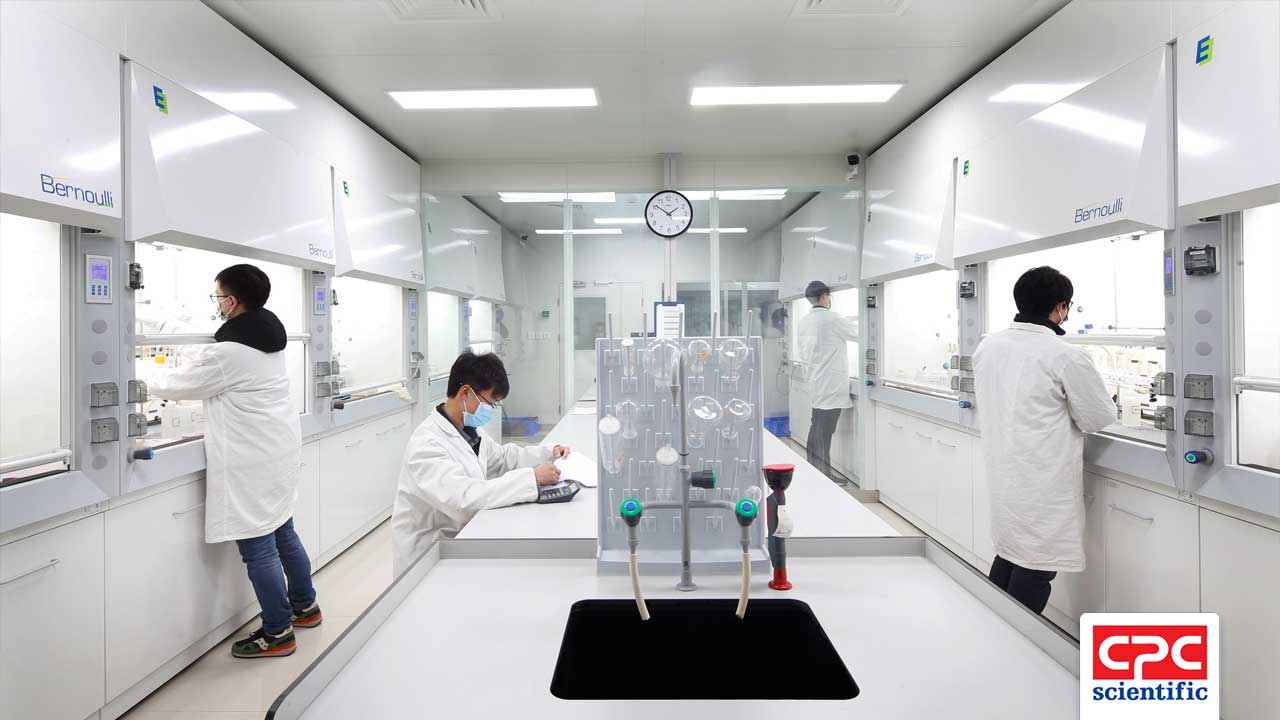
At CPC Scientific, we know that peptide programs rarely move in a straight line. That’s why our FTE services are designed to provide dedicated scientific support, supplementing your team with our CRDMO manufacturing expertise and facilities...
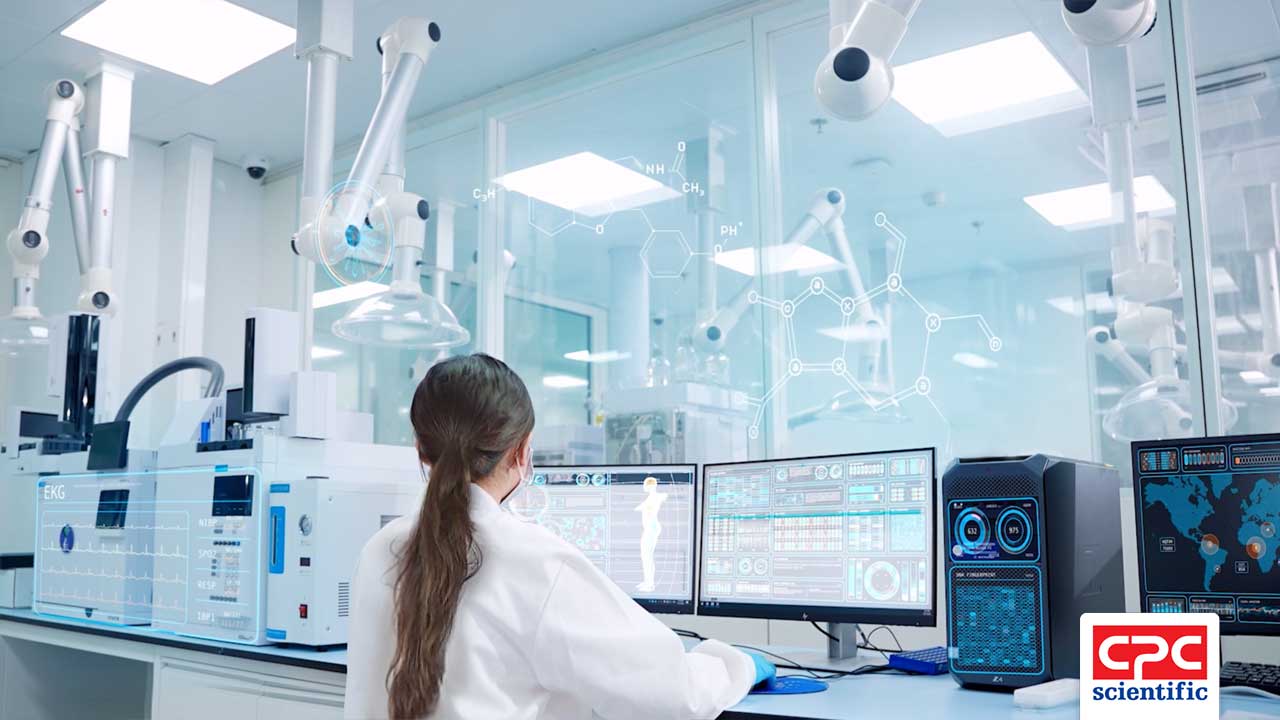
Selecting the right partner can directly impact both speed-to-market and long-term commercial success, particularly for peptide and oligo programs. A CDMO addresses this by providing support across the drug development lifecycle.

At CPHI Frankfurt 2025, CPC Scientific will spotlight its position as a global leader in peptide and oligonucleotide CRDMO solutions. As the company’s largest event of the year, the showcase will emphasize innovation, regulatory excellence, and a proven track record of supporting partners worldwide. Visitors can connect with CPC Scientific’s leadership and scientific team at Booth 12.0F29 to explore new opportunities and collaborations.

Peptide–oligo conjugates are innovative hybrid molecules uniting the targeting precision of peptides with the gene-modulating power of oligos. However, harnessing their potential requires overcoming significant technical barriers...