"NOTA/NODAGA-6Ahx- DPhe-Gln-Trp-Ala-Val-Gly-His-Sta-Leu-NH2 ; NOTA: 2,2′,2″-(1,4,7-triazacyclononane-1,4,7-triyl)triacetic acid and NODAGA: 2-(4,7-bis( carboxymethyl)-1,4,7-triazonan-1-yl)pentanedioic acid] were purchased from CPC Scientific [..]"
Abstract
Purpose
The goal of this work was to develop hydrophilic gastrin-releasing peptide receptor (GRPR)-targeting complexes of the general formula fac-[M(CO)3(L)]+ [M = natRe, 99mTc, 186Re; L: NOTA for 1, NODAGA for 2] conjugated to a powerful GRPR peptide antagonist (DPhe-Gln-Trp-Ala-Val-Gly-His-Sta-Leu-NH2) via a 6-aminohexanoic acid linker.
Procedures
Metallated-peptides were prepared employing the [M(OH2)3(CO)3]+ [M = Re, 99mTc, 186Re] precursors. Re-1/2 complexes were characterized with HR-MS. IC50 studies were performed for peptides 1/2 and their respective Re-1/2 complexes in a binding assay utilizing GRPR-expressing human PC-3 prostate cancer cells and [125I]I-Tyr4-BBN as the competing ligand. The 99mTc/186Re-complexes were identified by HPLC co-injection with their Re-analogues. All tracers were challenged in vitro at 37 °C against cysteine/histidine (phosphate-buffered saline 10 mM, pH 7.4) and rat serum. Biodistribution and micro-SPECT/CT imaging of [99mTc]Tc-1/2 and [186Re]Re-2 were performed in PC-3 tumor-bearing ICR SCID mice.
Results
High in vitro receptor affinity (IC50 2–3 nM) was demonstrated for all compounds. The 99mTc/186Re-tracers were found to be hydrophilic (log D7.4 ≤ − 1.35) and highly stable. Biodistribution in PC-3 xenografted mice revealed good tumor uptake (%ID/g at 1 h: 4.3 ± 0.7 for [99mTc]Tc-1, 8.3 ± 0.9 for [99mTc]Tc-2 and 4.2 ± 0.8 for [186Re]Re-2) with moderate retention over 24 h. Rapid renal clearance was observed for [99mTc]Tc-2 and [186Re]Re-2 (> 84 % at 4 h), indicating favorable pharmacokinetics. Micro-SPECT/CT images for the 99mTc-tracers clearly visualized PC-3 tumors in agreement with the biodistribution data and with superior imaging properties found for [99mTc]Tc-2.
Conclusions[99mTc]Tc-2 shows promise for further development as a GRPR-imaging agent. [186Re]Re-2 demonstrated very similar in vivo behavior to [99mTc]Tc-2, and further studies are therefore justified to explore the theranostic potential of our approach for targeting of GRPR-positive cancers.
SOCIAL MEDIA
Connect with us and stay updated by following our social media channels.
Latest Briefings from our Knowledge Center
Press Releases, Industry News, Articles, and Technical Content
There is no excerpt because this is a protected post.
There is no excerpt because this is a protected post.
There is no excerpt because this is a protected post.
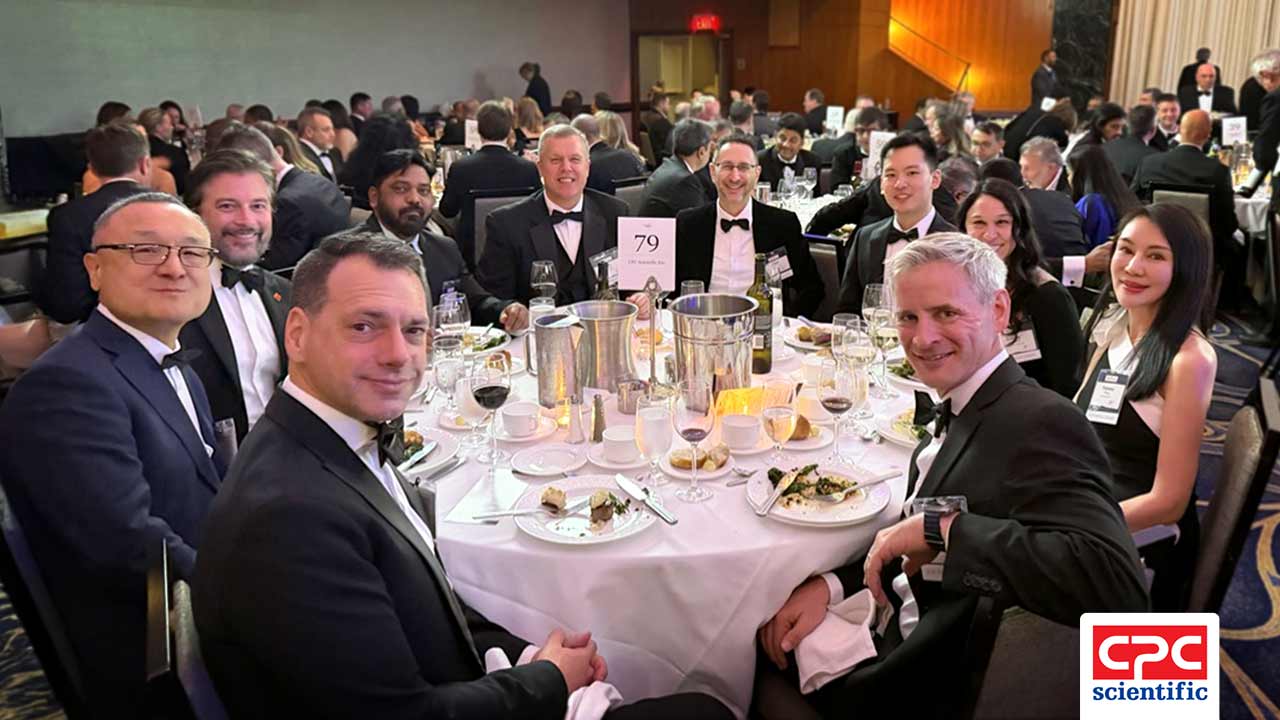
CPC Scientific had a fantastic time connecting with partners this year at DCAT Week 2026. See our standout highlights from New York, featuring generic API scale-up, the 98th DCAT Annual Dinner, and more...
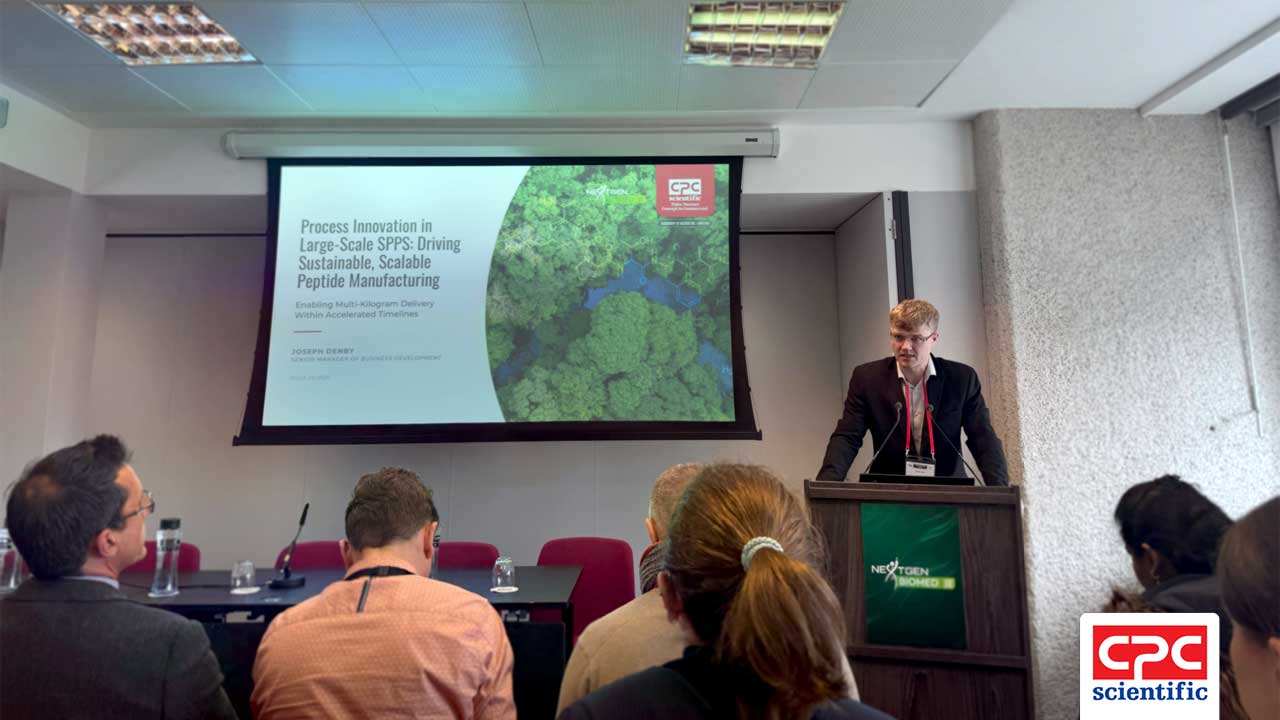
Catch CPC Scientific's key highlights from NextGen Biomed 2026, where we showcased how our advanced process design is accelerating production timelines and cost efficiency for greener TIDES manufacturing at scale...
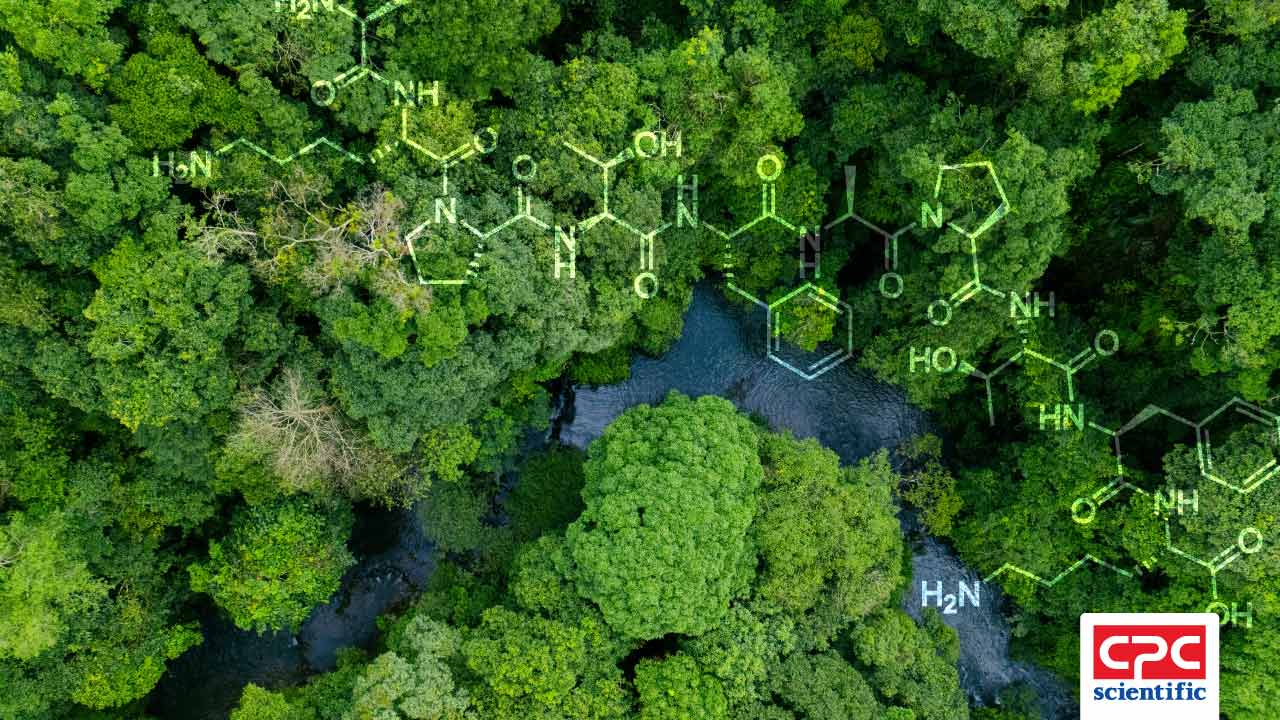
Delivery of polypeptides in multi-kilogram quantities within tight timescales is extremely challenging, especially when coupled with a desire to minimize environmental and economic impact. This case study explores how CPC Scientific’s advanced process improvements during synthesis, cleavage, and final purification of solid-phase peptide synthesis (SPPS) have enabled multi-kilogram delivery of a pharmaceutically-relevant decapeptide within a short timescale. These innovative modifications reduced environmental footprint and delivered substantial cost savings for the client, ultimately enhancing market competitiveness of the product.
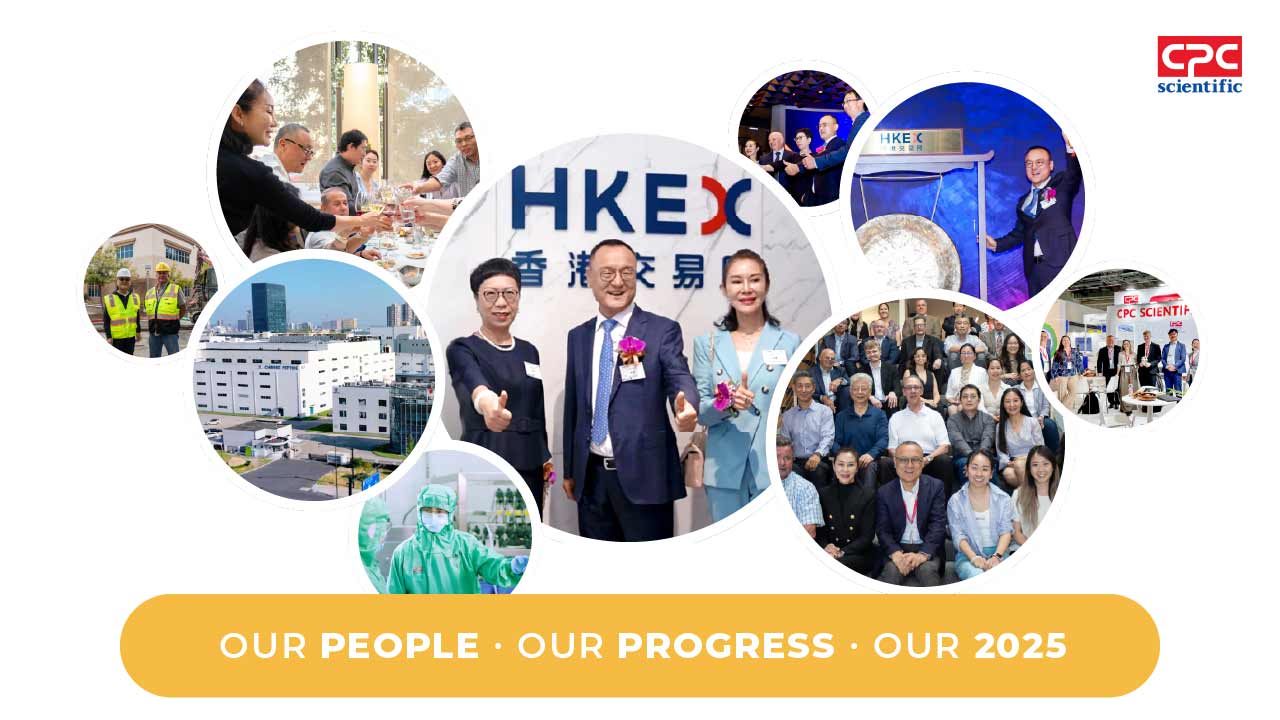
As 2025 draws to a close, we want to extend our heartfelt thanks to our partners and colleagues around the world! Your trust and collaboration enabled CPC Scientific to make meaningful progress across our CDMO thought leadership, operational scale, and global business milestones this year. Explore featured highlights and resources from the year to see how our people, partners, and platforms drove innovation and impact throughout 2025.
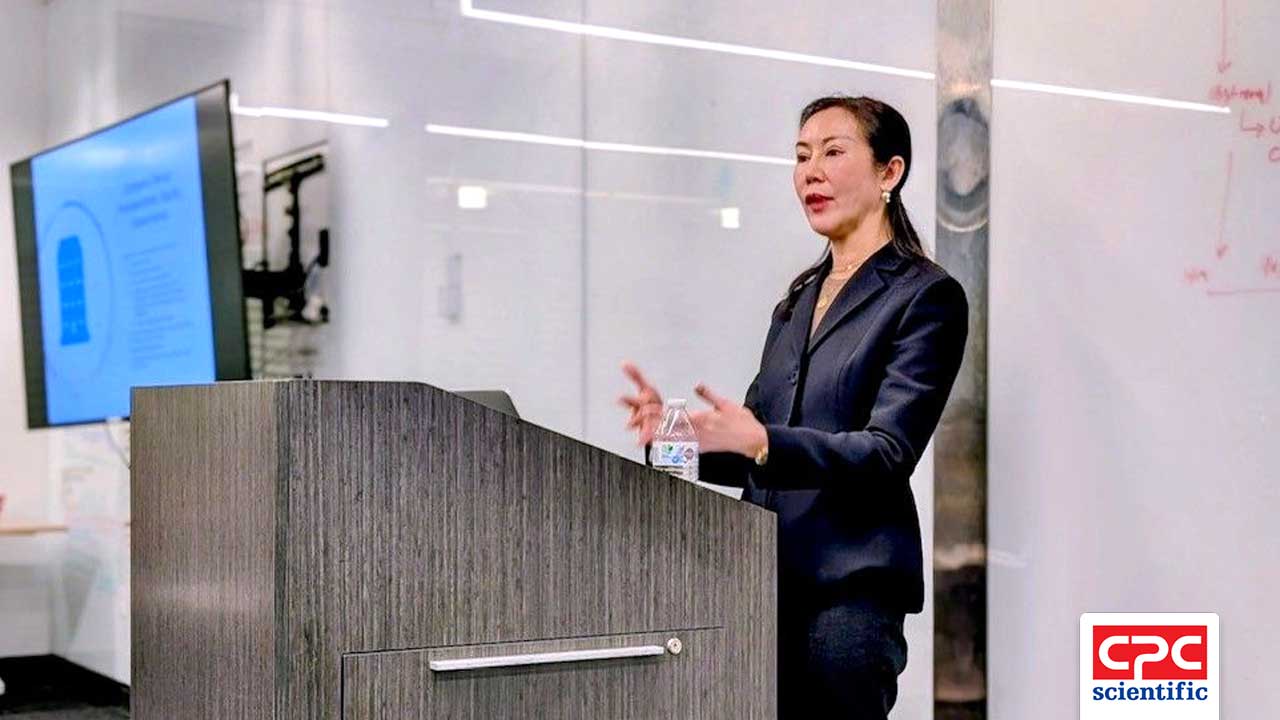
President Theresa Cheng spoke to PhD students at Weill Cornell Graduate School, sharing industry insights and exploring how academic research today can translate into tomorrow’s cutting-edge healthcare leadership.
CPC Scientific has developed an innovative dimethylformamide (DMF) recycling strategy that substantially reduces solvent consumption during solid-phase peptide synthesis (SPPS), achieving both improved process sustainability and enhanced cost efficiency. Through minimizing use of DMF, a major environmental and cost contributor in peptide manufacturing, we demonstrate how targeted green chemistry practices can be successfully integrated into large-scale SPPS to support environmentally responsible, economically viable peptide production.