
The top hit peptides selected (Pep 14, 144, 156, 195, and 393) from the screening and the fluorescence labeled peptide (5FAM-PEG2-Pep 14) were purchased from CPC Scientific Inc. (USA), which synthesized the peptide by solid phase (Fmoc) on a Rink amide resin, with >95% purity, in the form of acetate salt.
Abstract
Cellular senescence is known to play a role in age-related skin function deterioration which potentially influences longevity. Here, a two-step phenotypic screening was performed to identify senotherapeutic peptides, leading to the identification of Peptide (Pep) 14. Pep 14 effectively decreased human dermal fibroblast senescence burden induced by Hutchinson-Gilford Progeria Syndrome (HGPS), chronological aging, ultraviolet-B radiation (UVB), and etoposide treatment, without inducing significant toxicity. Pep 14 functions via modulation of PP2A, an understudied holoenzyme that promotes genomic stability and is involved in DNA repair and senescence pathways. At the single-cell level, Pep 14 modulates genes that prevent senescence progression by arresting the cell cycle and enhancing DNA repair, which consequently reduce the number of cells progressing to late senescence. When applied on aged ex vivo skin, Pep 14 promoted a healthy skin phenotype with structural and molecular resemblance to young ex vivo skin, decreased the expression of senescence markers, including SASP, and reduced the DNA methylation age. In summary, this work shows the safe reduction of the biological age of ex vivo human skins by a senomorphic peptide.
SOCIAL MEDIA
Connect with us and stay updated by following our social media channels.
Latest Briefings from our Knowledge Center
Press Releases, Industry News, Articles, and Technical Content

CPC Scientific’s Rocklin facility is undergoing a major expansion to establish a 41,000 sq ft Center of Excellence for U.S.-based peptide API manufacturing. Construction is now underway—more updates coming soon.

From Nusinersen to Inclisiran, oligonucleotide APIs are rapidly reshaping modern drug development. Explore the role of oligonucleotide CDMOs in enabling analytical innovation and scalable, compliant manufacturing across the RNA therapeutic frontier.
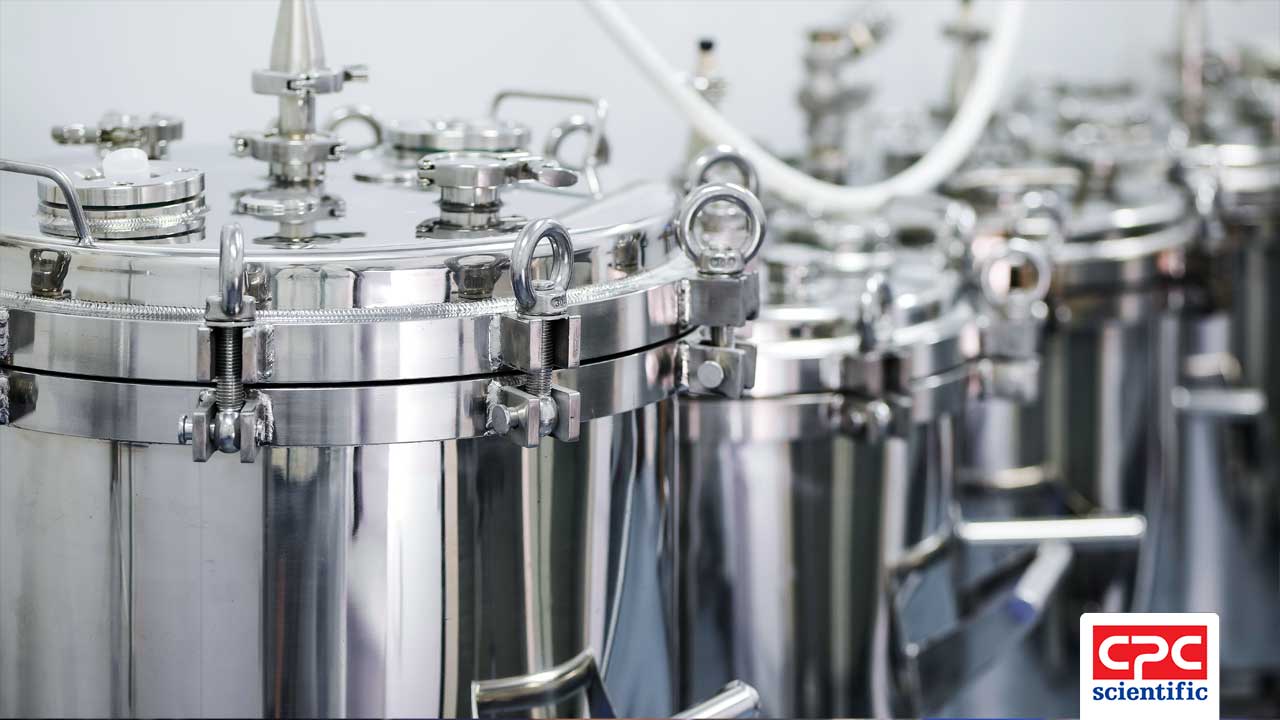
Peptide and oligonucleotide APIs are driving a new generation of pharmaceutical drug development. Learn more about the API manufacturing process and why it matters to partner with a specialized peptide and oligonucleotide CDMO.
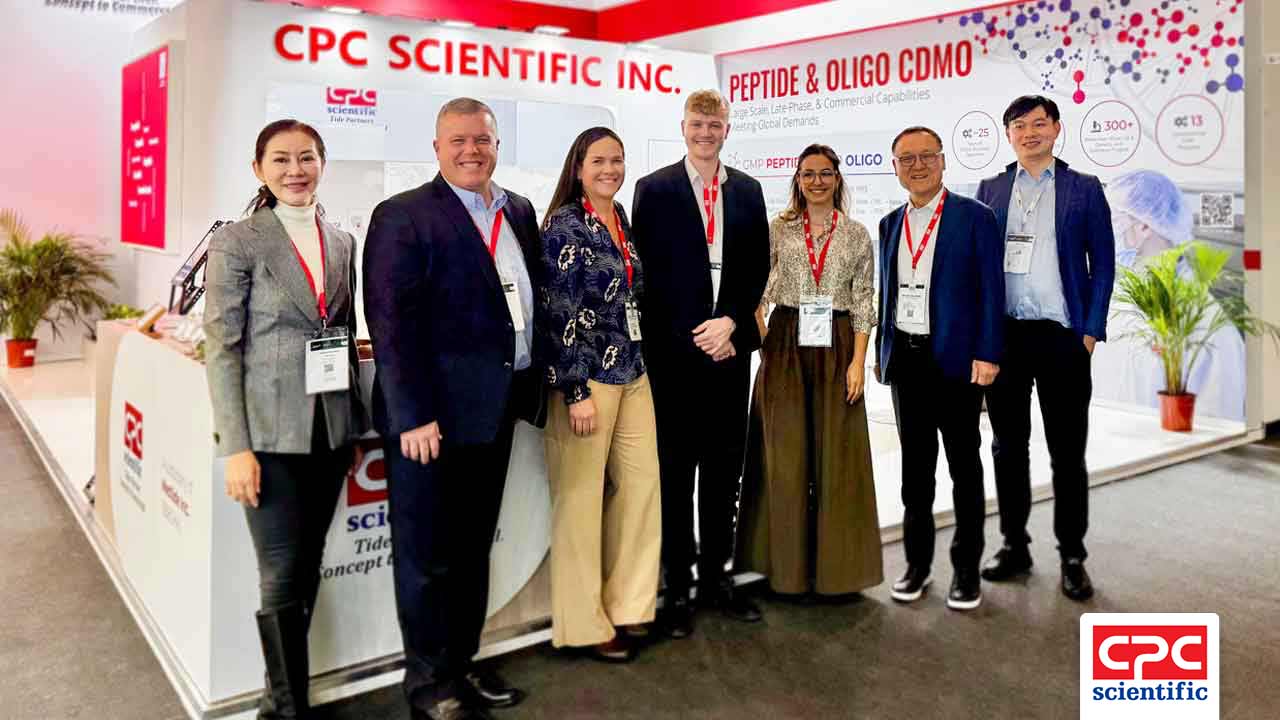
CPC Scientific is thrilled to return to CPHI Frankfurt 2025! Explore a tour of our booth as we recap key moments from Day 1 of CPHI Frankfurt, where we're highlighting our position as a global pioneer in peptide and oligonucleotide CDMO services...
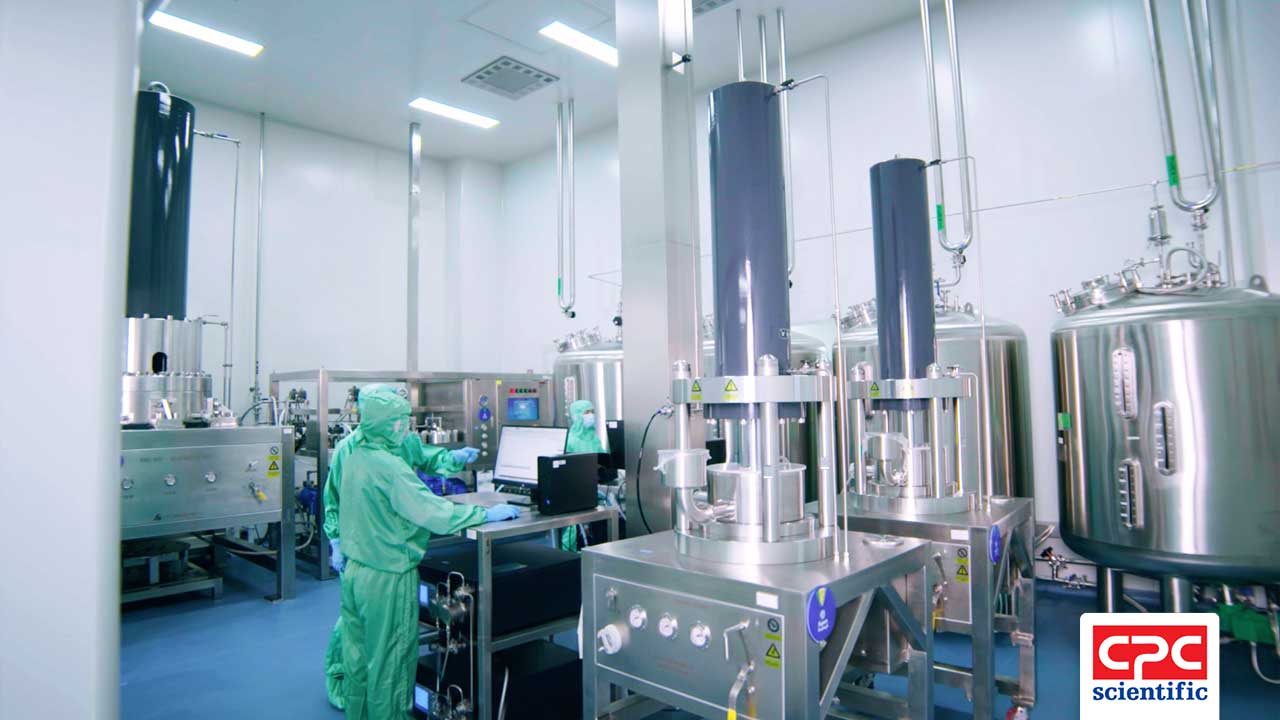
In today’s biotech landscape, quality is essential. For therapeutics based on peptides or oligonucleotides, many of which treat complex or life-threatening conditions, GMP compliance is a foundational element of regulatory approval and patient trust.
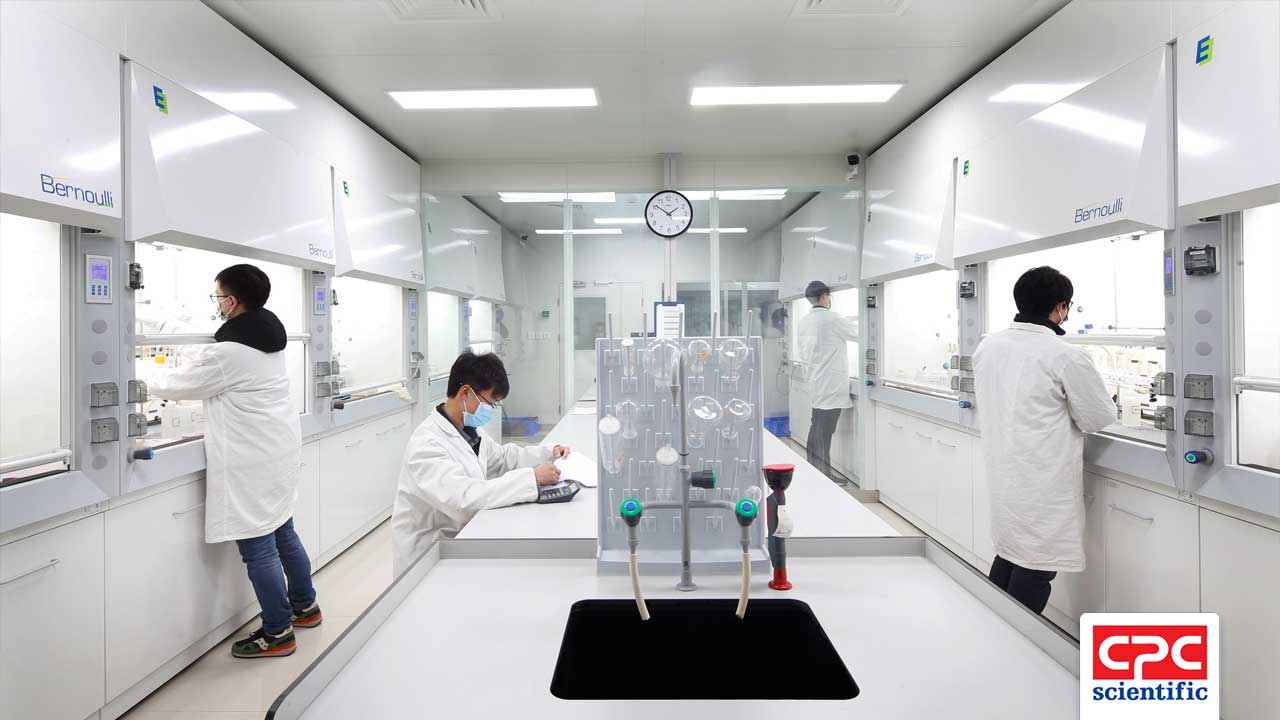
At CPC Scientific, we know that peptide programs rarely move in a straight line. That’s why our FTE services are designed to provide dedicated scientific support, supplementing your team with our CRDMO manufacturing expertise and facilities...

Selecting the right partner can directly impact both speed-to-market and long-term commercial success, particularly for peptide and oligo programs. A CDMO addresses this by providing support across the drug development lifecycle.

At CPHI Frankfurt 2025, CPC Scientific will spotlight its position as a global leader in peptide and oligonucleotide CRDMO solutions. As the company’s largest event of the year, the showcase will emphasize innovation, regulatory excellence, and a proven track record of supporting partners worldwide. Visitors can connect with CPC Scientific’s leadership and scientific team at Booth 12.0F29 to explore new opportunities and collaborations.

Peptide–oligo conjugates are innovative hybrid molecules uniting the targeting precision of peptides with the gene-modulating power of oligos. However, harnessing their potential requires overcoming significant technical barriers...