"antipeptide (EGVYVHPV), angiotensin II, human (DRVYIHPF), and isotopically (13C) labeled heptapeptide (AAAAHAA-NH2 [where “A” indicates a carbon thirteen (13C) isotope on the alanine carbonyl group]) were purchased from CPC Scientific Incorporated (Sunnyvale, CA)"
Abstract
It is shown that y-type ions, after losing C-terminal H2O or NH3, can lose an internal backbone carbonyl (CO) from different peptide positions and yield structurally different product fragment ions upon collision-induced dissociation (CID). Such CO losses from internal peptide backbones of y-fragment ions are not unique to a single peptide and were observed in four of five model peptides studied herein. Experimental details on examples of CO losses from y-type fragment ions for an isotopically labeled AAAAHAA-NH2 heptapeptide and des-acetylated-α-melanocyte-stimulating hormone (dα-MSH) (SYSMEHFRWGKPV-NH2) are reported. Results from isotope labeling, tandem mass spectrometry (MSn), and ion mobility-mass spectrometry (IM-MS) confirm that CO losses from different amino acids of m/z-isolated y-type ions yield structurally different ions. It is shown that losses of internal backbone carbonyls (as CID products of m/z-isolated y-type ions) are among intermediate steps towards formation of rearranged or permutated product fragment ions. Possible mechanisms for generation of the observed sequence-scrambled a-“like” ions, as intermediates in sequence-scrambling pathways of y-type ions, are proposed and discussed.
SOCIAL MEDIA
Connect with us and stay updated by following our social media channels.
Latest Briefings from our Knowledge Center
Press Releases, Industry News, Articles, and Technical Content
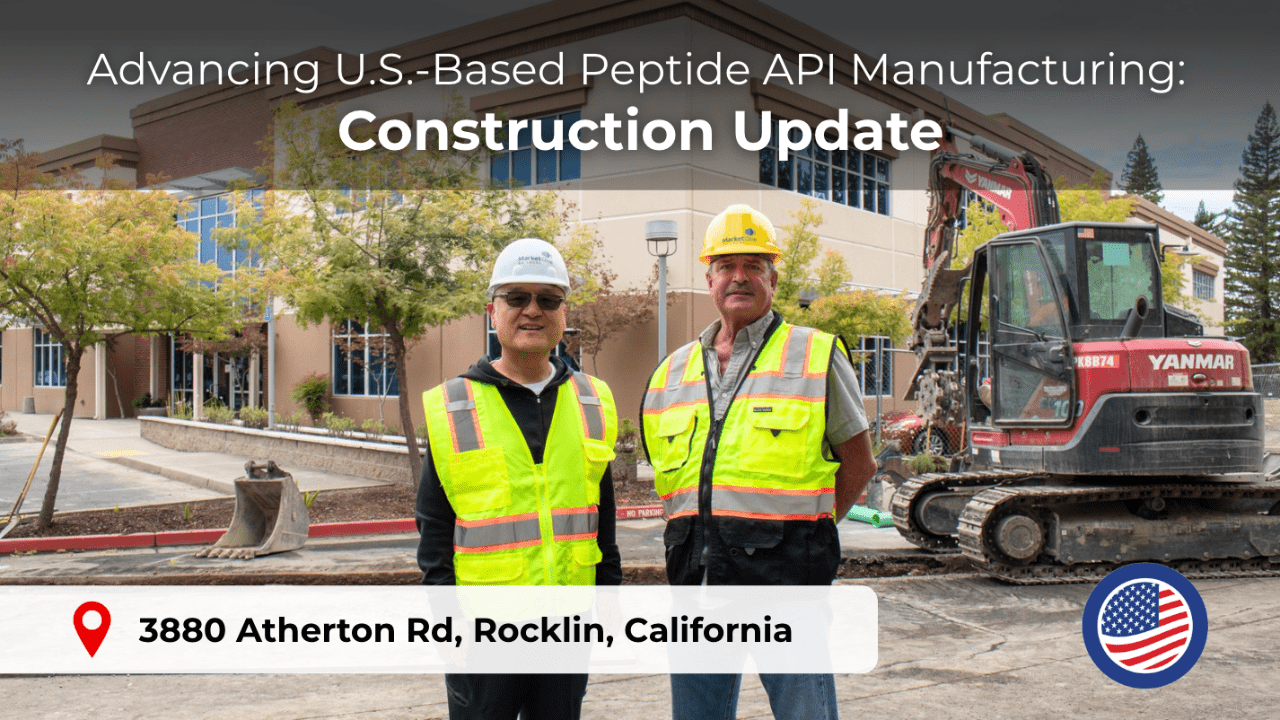
CPC Scientific’s Rocklin facility is undergoing a major expansion to establish a 41,000 sq ft Center of Excellence for U.S.-based peptide API manufacturing. Construction is now underway—more updates coming soon.
From Nusinersen to Inclisiran, oligonucleotide APIs are rapidly reshaping modern drug development. Explore the role of oligonucleotide CDMOs in enabling analytical innovation and scalable, compliant manufacturing across the RNA therapeutic frontier.
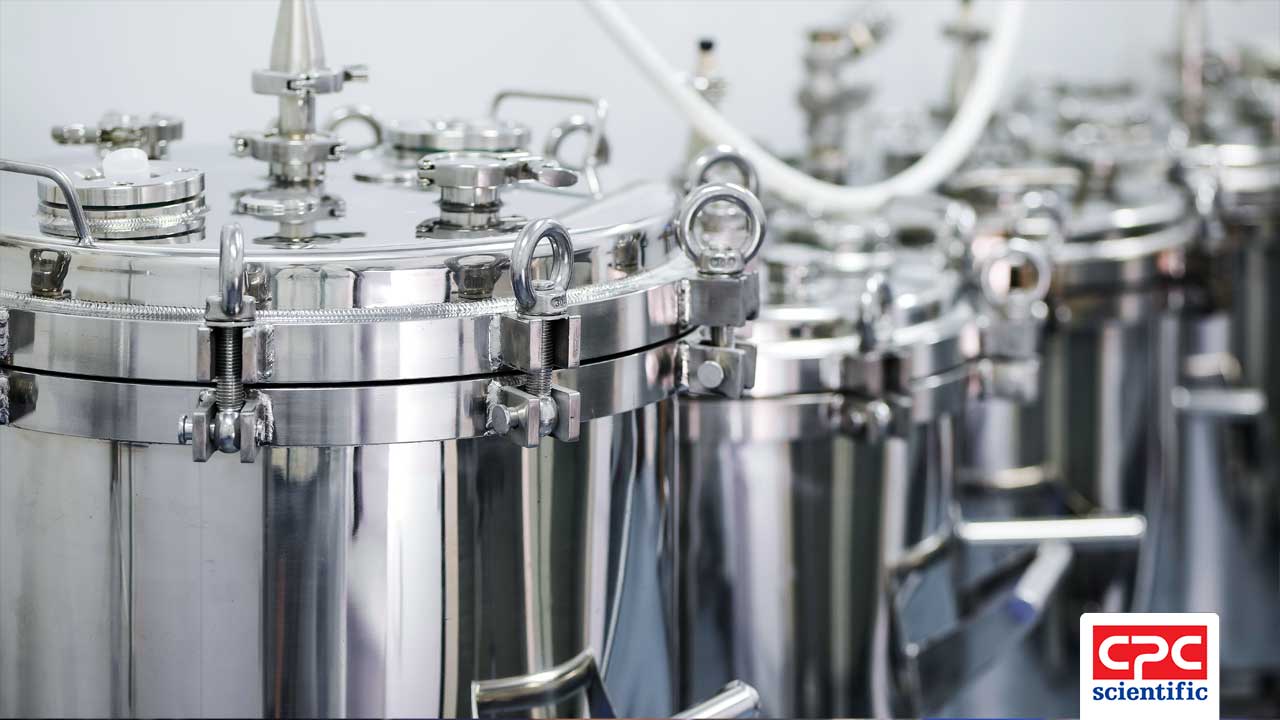
Peptide and oligonucleotide APIs are driving a new generation of pharmaceutical drug development. Learn more about the API manufacturing process and why it matters to partner with a specialized peptide and oligonucleotide CDMO.
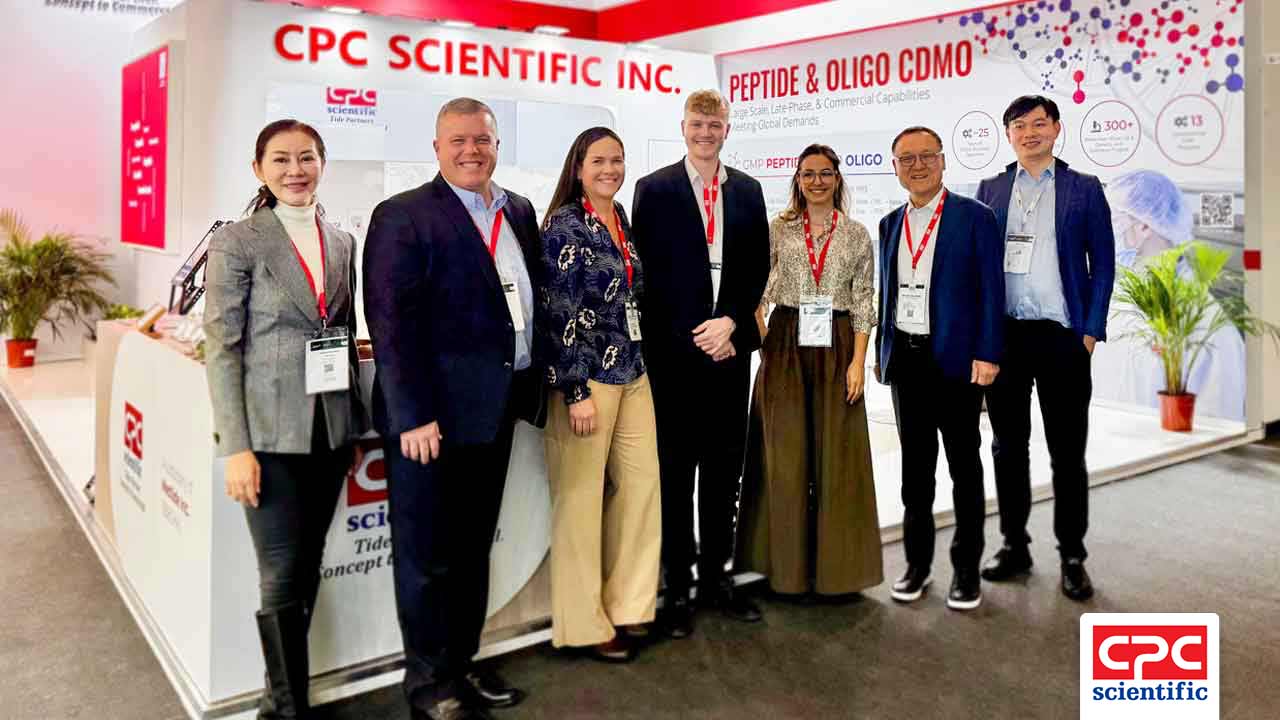
CPC Scientific is thrilled to return to CPHI Frankfurt 2025! Explore a tour of our booth as we recap key moments from Day 1 of CPHI Frankfurt, where we're highlighting our position as a global pioneer in peptide and oligonucleotide CDMO services...
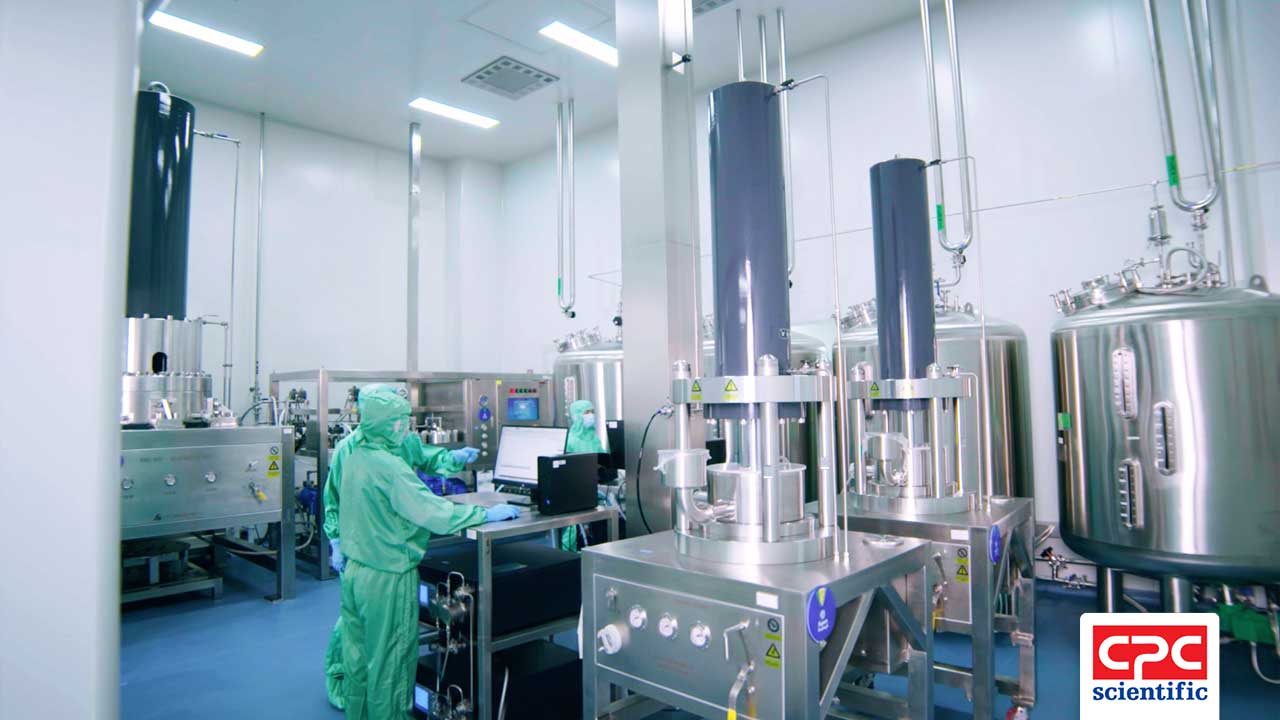
In today’s biotech landscape, quality is essential. For therapeutics based on peptides or oligonucleotides, many of which treat complex or life-threatening conditions, GMP compliance is a foundational element of regulatory approval and patient trust.
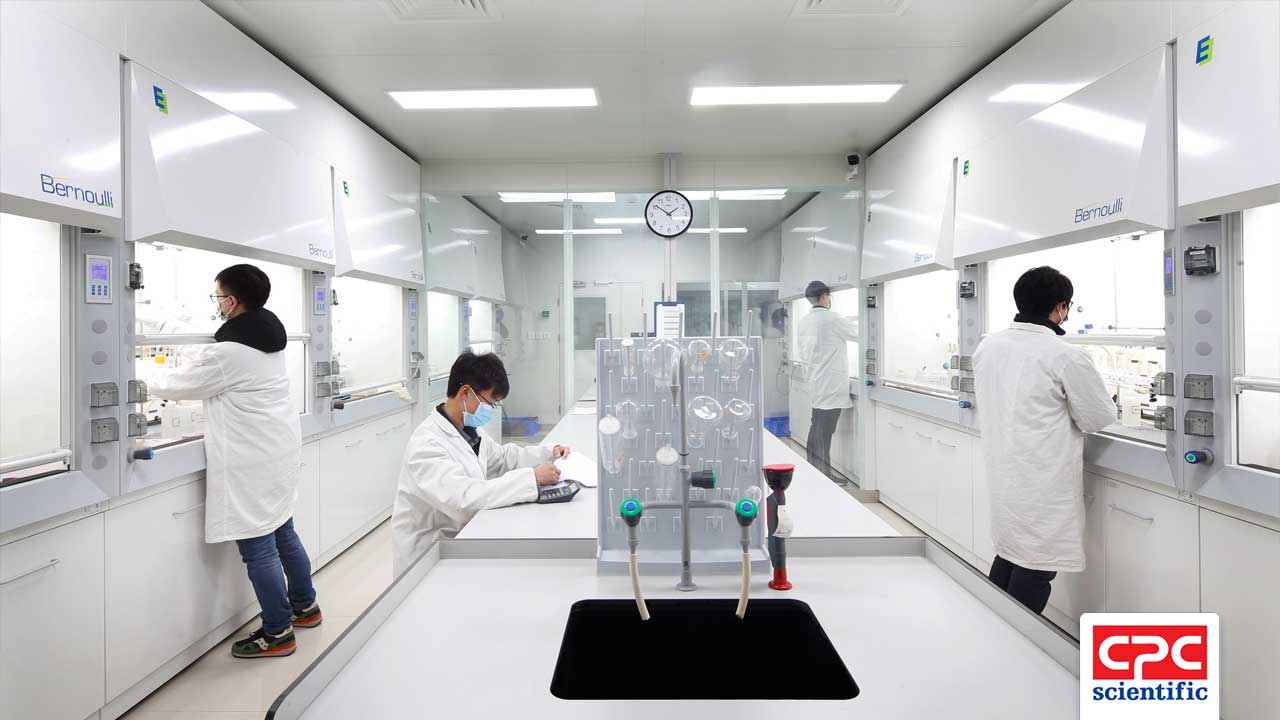
At CPC Scientific, we know that peptide programs rarely move in a straight line. That’s why our FTE services are designed to provide dedicated scientific support, supplementing your team with our CRDMO manufacturing expertise and facilities...
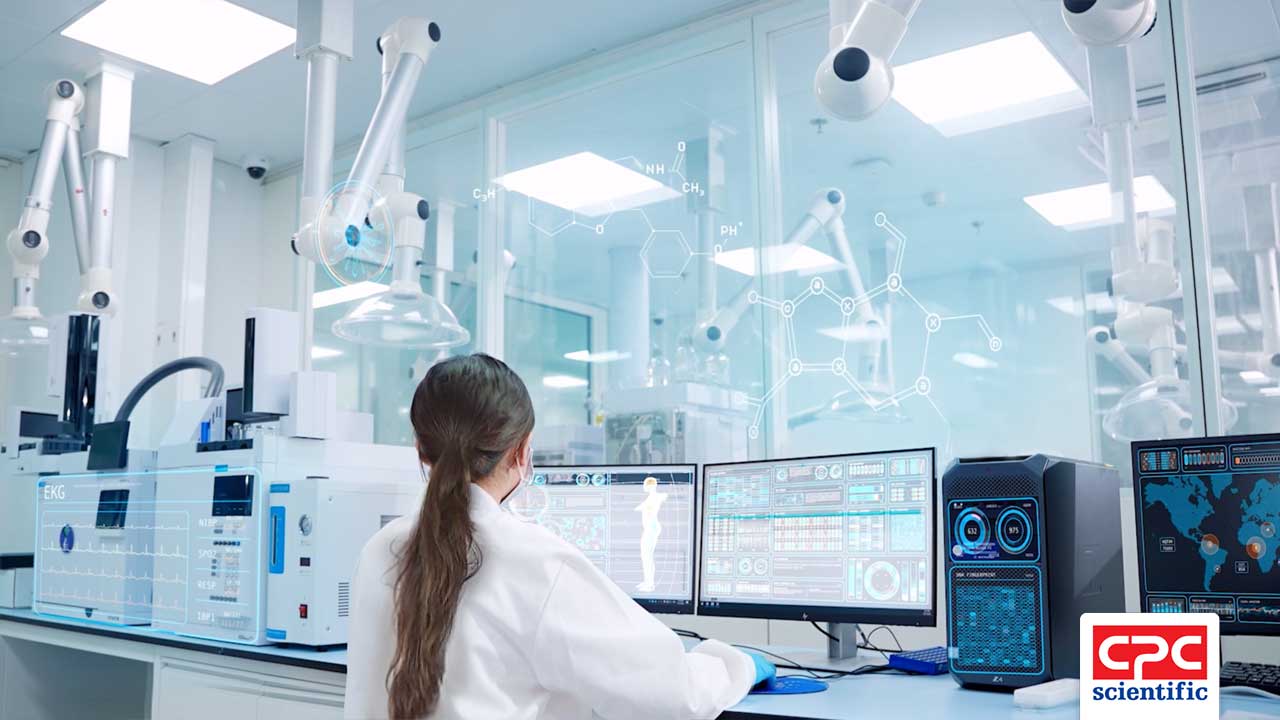
Selecting the right partner can directly impact both speed-to-market and long-term commercial success, particularly for peptide and oligo programs. A CDMO addresses this by providing support across the drug development lifecycle.

At CPHI Frankfurt 2025, CPC Scientific will spotlight its position as a global leader in peptide and oligonucleotide CRDMO solutions. As the company’s largest event of the year, the showcase will emphasize innovation, regulatory excellence, and a proven track record of supporting partners worldwide. Visitors can connect with CPC Scientific’s leadership and scientific team at Booth 12.0F29 to explore new opportunities and collaborations.
Peptide–oligo conjugates are innovative hybrid molecules uniting the targeting precision of peptides with the gene-modulating power of oligos. However, harnessing their potential requires overcoming significant technical barriers...